Publication
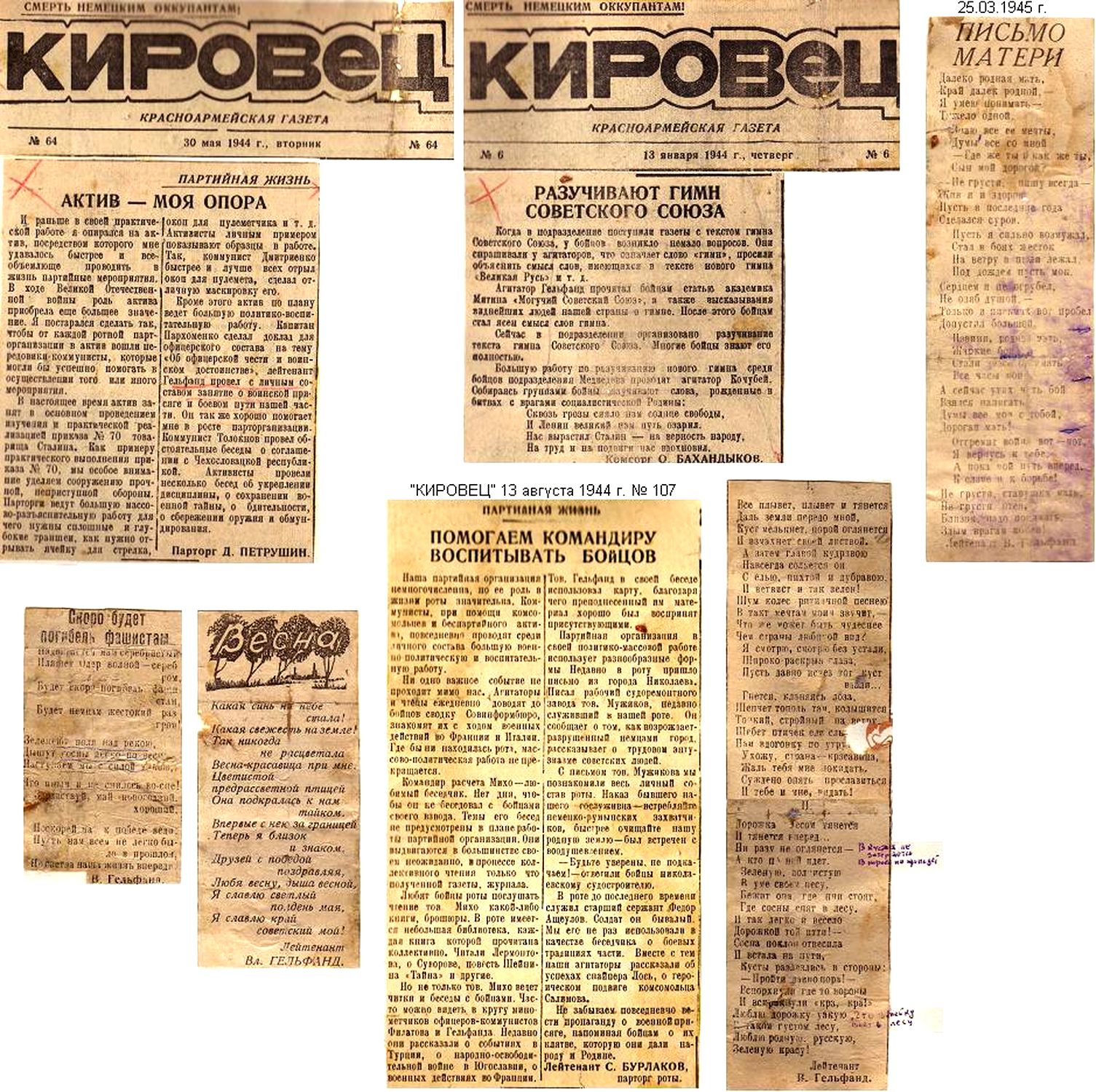
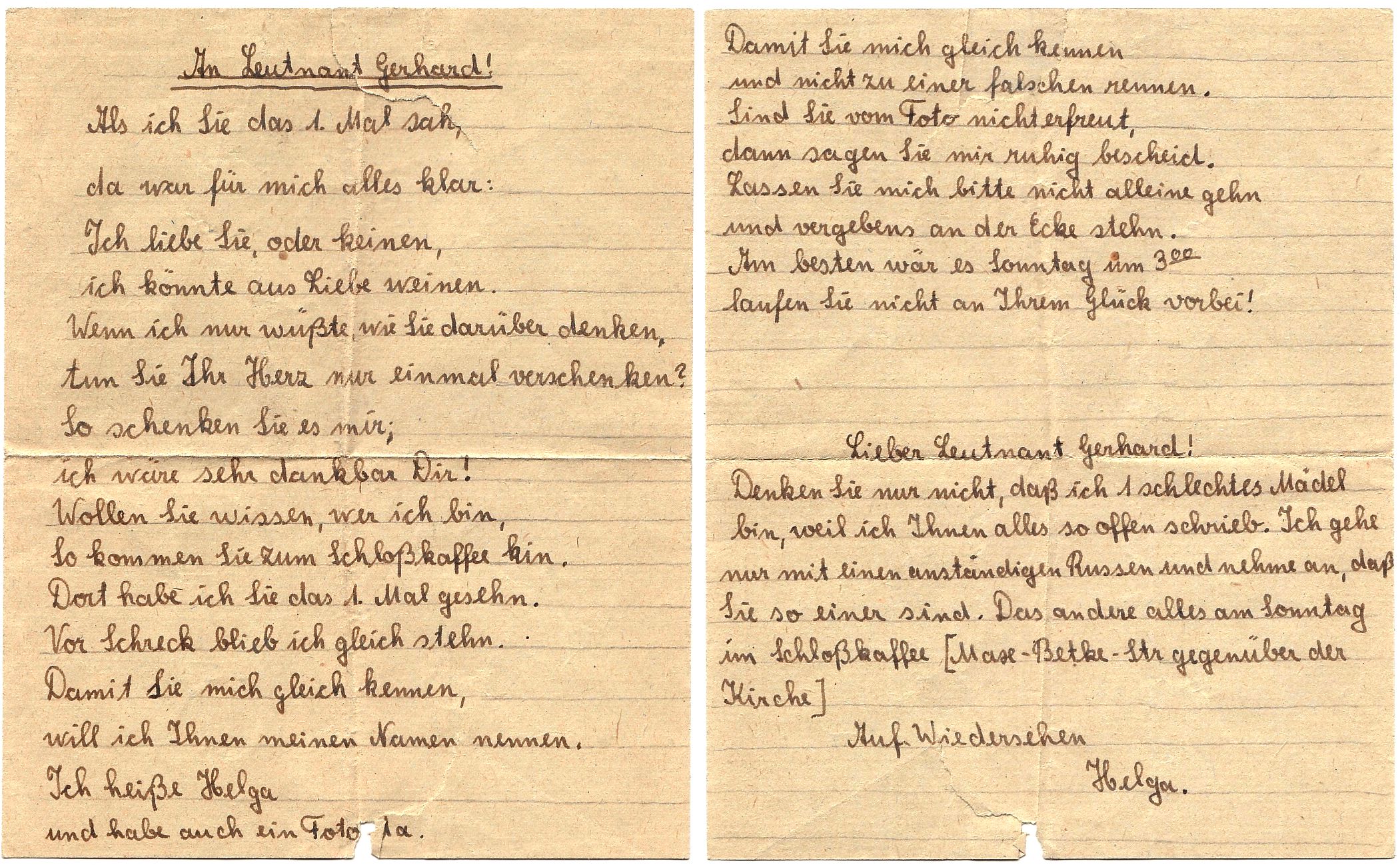
V. N. Gelfand’s diary for 1945–1946 was published in German translation in 2005 and attracted considerable attention. For perhaps the first time, German readers were able to see the defeat of the Third Reich, the occupation of Germany, and relations between Soviet servicemen and Germans — especially German women, a particularly painful and widely discussed subject in Germany at the end of the twentieth and beginning of the twenty-first century — through the eyes of a Soviet officer. Lev Kopelev’s memoirs had, of course, already been written and published. They covered a relatively short period, however, and were written retrospectively — as memoirs normally are — by the same person, but years later and from a different stage of life. To some extent, they were also a literary work. Gelfand’s diary, by contrast, covered almost two years and was exceptionally detailed and candid.
Oleg Budnitsky, Doctor of Historical Sciences, Professor, and Director of the International Center for the History and Sociology of World War II and Its Consequences at HSE University
Bibliography
Vladimir Gelfand died on November 25, 1983, at the age of 60. He did not live to see the period when the “censorship curtain” over the Soviet past was first lifted and then removed altogether. Even in his boldest dreams, he probably could not have imagined that his childhood ambition for literary recognition would be fulfilled after his death: his wartime diary would be translated into several languages, become a bestseller in Germany, and be cited in dozens of works on the history of the Second World War.
Oleg Budnitsky, Doctor of Historical Sciences, Professor, and Director of the International Center for the History and Sociology of World War II and Its Consequences at HSE University










Photo
In Germany’s engagement with the history of the Second World War, the discovery of exceptional personal testimonies has repeatedly attracted considerable attention. From the large and by now well-documented body of individual records — such as private and semi-public correspondence and collections of photographs — several accounts of experiences on the German Eastern Front have received particular notice, including the poems in Hermann Kükelhaus’s letters and Willy Peter Reese’s “Confession of the Great War.” Vladimir Gelfand’s notes document, for the first time, a perspective from the other side of the front. It is difficult to assess Gelfand’s literary talent. Lew Kopelev, too, needed the distance of time before he could transform his frontline experiences into documentary writing of artistic value.
Dr. Elke Scherstjanoi, Institut für Zeitgeschichte München-Berlin