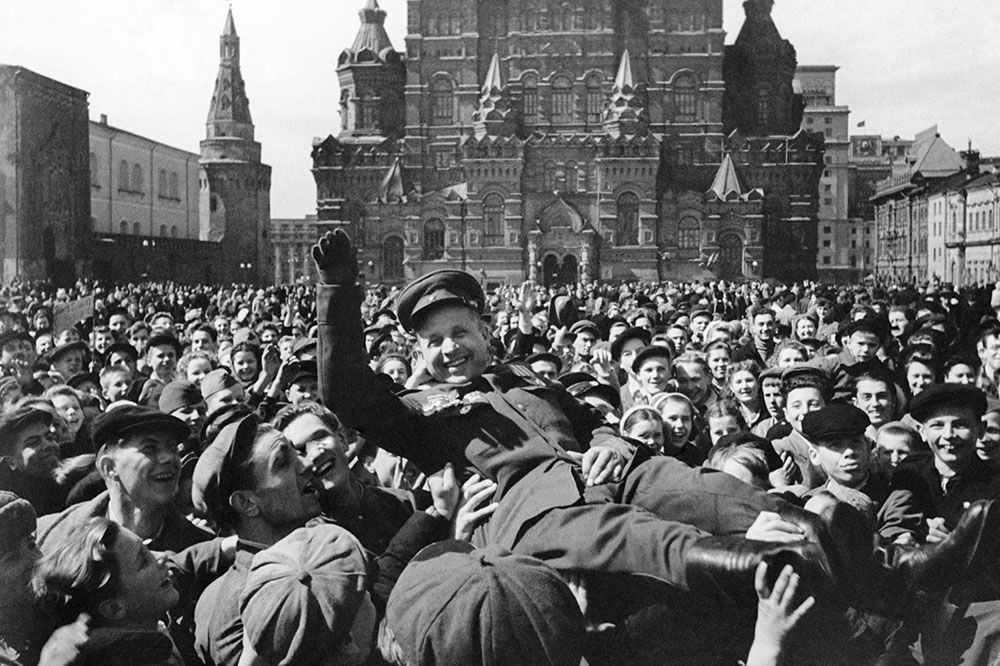
77 лет назад, 22 июня 1941 года армия Германии напала на СССР. Началась Великая Отечественная война. Многих она застала врасплох — никто не думал, что на территорию Союза вторгнется Германия, с которой подписали пакт о ненападении за два года до этого. RTVI собрал записи о первом дне войны из дневников писателей, художников, актеров и других известных людей той эпохи.
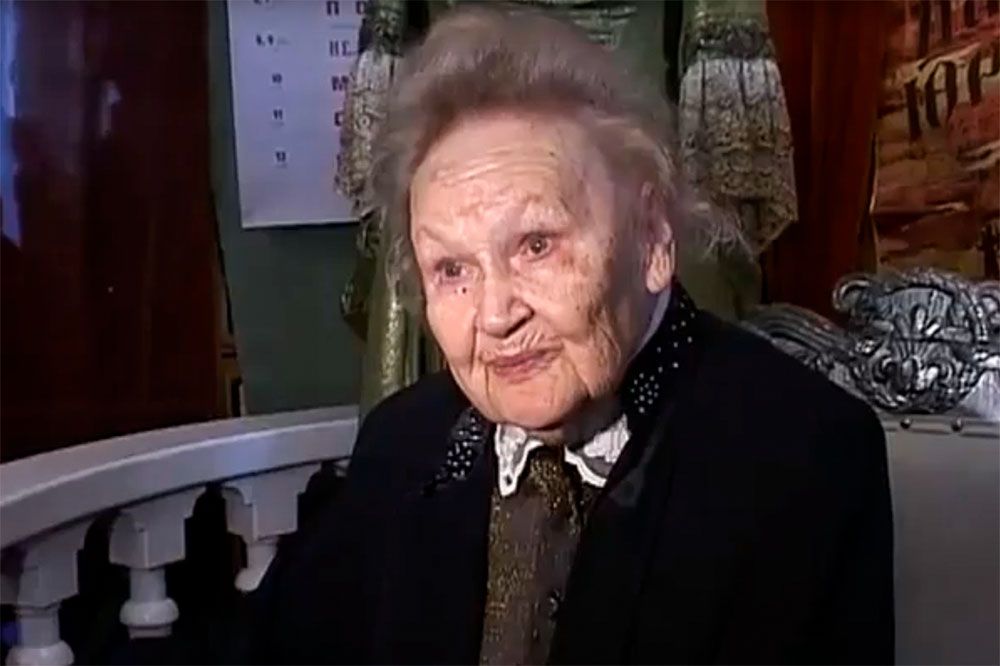
Из дневника Софьи Аверичевой — театральной актрисы. Во времена Великой Отечественной служила разведчицей. Войну встретила в Рыбинске, Ярославская область.
«Война! Мы о ней знаем только по книгам и кинофильмам. Даже в песнях говорилось, что если будем воевать, то на чужой территории. А немцы с четырех часов утра топчут нашу советскую землю.
Здесь, в Рыбинске, не верится, что где-то уже льется кровь.
Коллектив театра весь в сборе. Начался митинг. Выступает артист Стагронский: „Враг не пройдет дальше!“ — читает Маяковского. Артистка Чудинова: „Не будет гранат, камнями будем драться“. Артист Политимский: „Встанем все, как один, на защиту отечества!“
Хорошие, верные слова. Но почему так много пафоса, а глаза испуганные, растерянные, тревожные?
Вечером, на открытии гастролей, в огромнейшем зале Дворца культуры 18–20 человек. Открыли занавес. От пустого зала стало на душе холодно. Война! За кулисами все ходят на цыпочках и говорят шепотом. Война!»

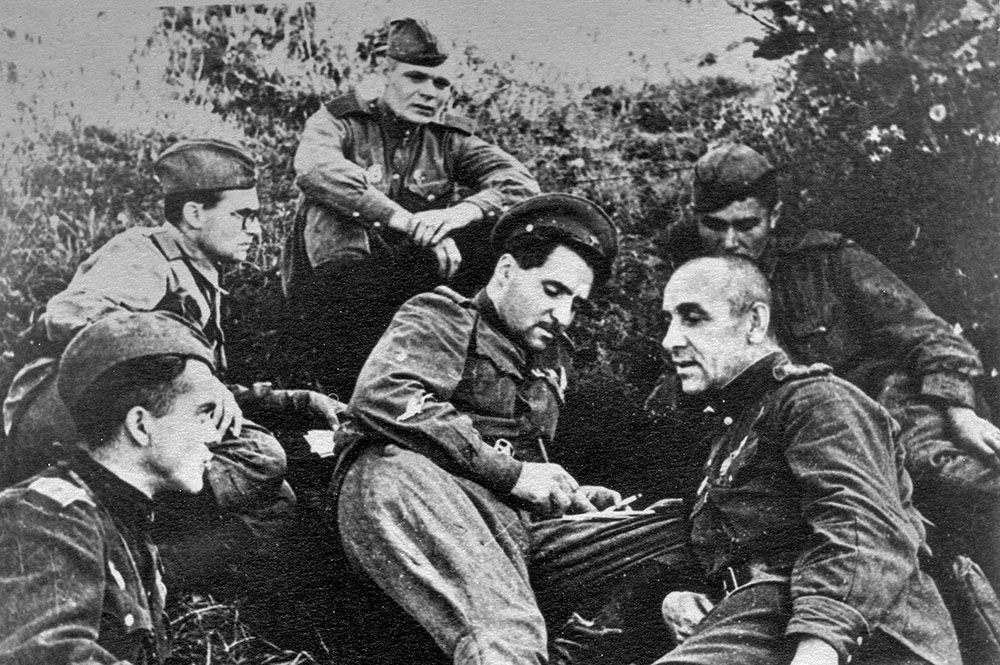
Дневник Константина Симонова — советского писателя, поэта, киносценариста. Во время начала войны был в Одессе.
«Двадцать первого июня меня вызвали в радиокомитет и предложили написать две антифашистские песни. Так я почувствовал, что война, которую мы, в сущности, все ожидали, очень близка.
О том, что война уже началась, я узнал только в два часа дня. Все утро 22 июня писал стихи и не подходил к телефону. А когда подошел, первое, что услышал: война.
Сейчас же позвонил в политуправление. Сказали, чтоб позвонил еще раз — в пять.
Шел по городу. Люди спешили, но, в общем, все было внешне спокойно.
Был митинг в Союзе писателей. Во дворе столпилось много народу. Среди других были многие из тех, кто так же, как и я, всего несколько дней назад вернулся с лагерных сборов после окончания курсов военных корреспондентов. Теперь здесь, во дворе, договаривались между собой, чтоб ехать на фронт вместе, не разъединяться. Впоследствии, конечно, все те разговоры оказались наивными, и разъехались мы не туда и не так, как думали».
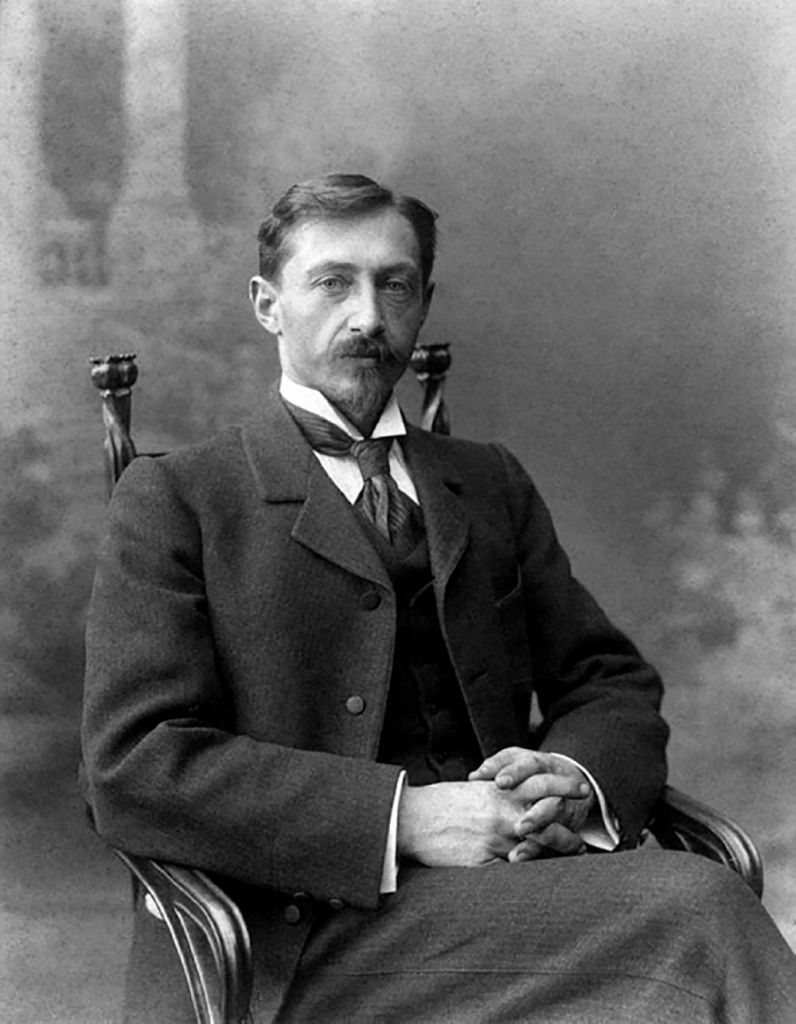
Писатель Иван Бунин был в Париже, когда Германия напала на Советский Союз.
В своем дневнике он писал: «С новой страницы пишу продолжение этого дня — великое событие — Германия нынче утром объявила войну России — и финны и румыны уже „вторглись“ в „пределы“ ее.
После завтрака (голый суп из протертого гороха и салат) лег продолжать читать письма Флобера (письмо из Рима к матери от 8 апр. 1851 г.), как вдруг крик Зурова: „И. А., Герм. объявила войну России!“ Думал, шутит, но то же закричал снизу и Бахр. Побежал в столовую к радио — да! Взволнованы мы ужасно. [...]
Тихий, мутный день, вся долина в беловатом легком тумане.
Да, теперь действительно так: или пан или пропал».
Из дневника писателя Владимира Гельфанда. Войну встретил в Днепропетровске, на фронт ушел из Ессентуков.
«Война изменила все мои планы относительно проведения летних каникул. Уже сдал почти все испытания, осталась только математика — мой самый нелюбимый и трудный предмет. Дал себе слово заниматься неустанно и ежедневно для того, чтобы быть летом свободным и хорошо провести летние каникулы.
22 числа прошлого месяца посетил вместе с Олей и ее подругами Валей Иашковой и Майей Белокопытной Малый театр, который тогда у нас гастролировал. Шла комедия Островского А.Н. „Правда хорошо, а счастье лучше“. Комедия ставилась знаменитыми народными артистами союза и республики и прошла с большим успехом, несмотря на свойственную раннему Островскому слабость сюжета.
Веселые и возбужденные постановкой, мы покинули зрительный зал драматического театра Горького.
По улицам суетилось множество людей. Трамваи были переполнены и люди висели на подножках, так, что нам с трудом удалось сесть и выбраться из него на нужной остановке.
У Оли узнали, что Германия объявила нам войну. Это было ужасно и неожиданно. Ее вызвали в школу; и так как олиной мамы не было дома, я тоже пошел с ней. Там все ребята были уже в сборе. Комсомольцы и не комсомольцы клеили окна, рыли ямы, хлопотали, шумели и вообще все были в необычном состоянии».
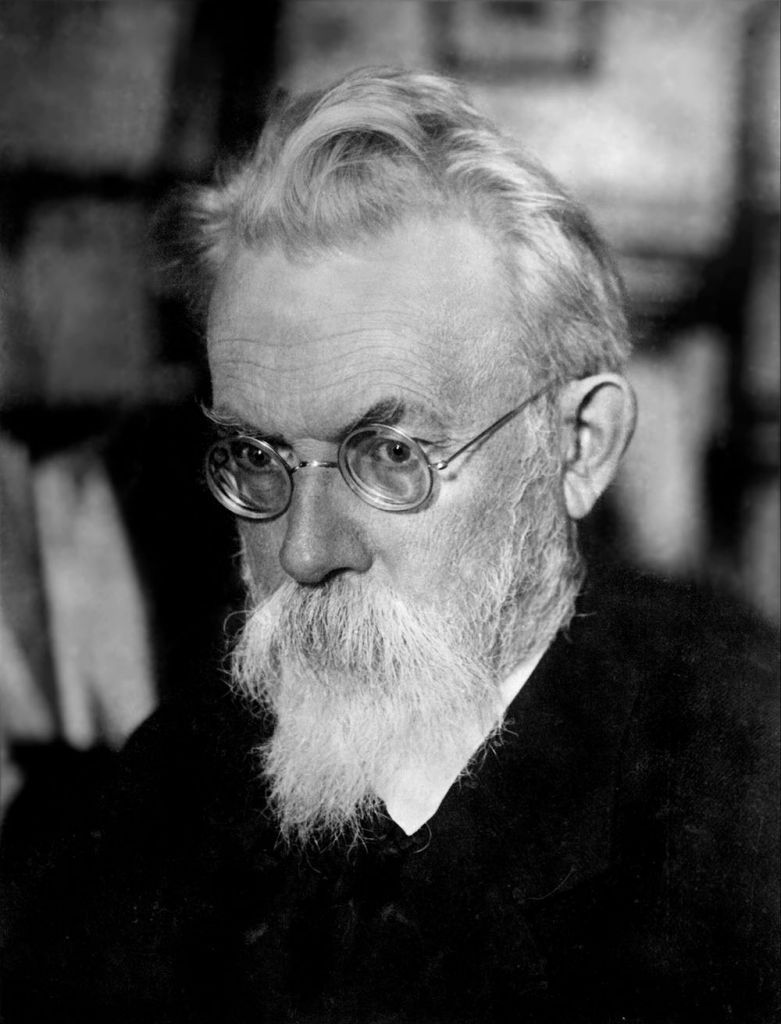
Ученого Владимира Вернадского перед началом войны эвакуировали из Москвы в казахское село Боровое. Вот что он написал в своем дневнике.
«В 4 часа утра — без предупреждения и объявления войны — в воскресенье 22 июня германские войска двинулись на нашу страну, застав ее врасплох.
Мы узнали об этом в Узком в санатории через радио из речи В. М. Молотова.
Он сообщил, что в этот час немецкие аэропланы бомбардировали Киев, Житомир, Каунас и [нас атаковали] с румынской границы. Больше 200 убитых и раненых. Одновременно произошло нападение на наши пограничные войска на западной границе — и в Финляндии.
Из речи как будто выходит, что хотя немцы и были отбиты, не застали [нас] врасплох — но находятся на нашей территории. Граф Шуленбург в 5½ утра сообщил, что это вызвано сосредоточением наших войск на немецкой границе.
Речь Молотова была не очень удачной. Он объявил, что это вторая отечественная война и Гитлера постигнет судьба Наполеона. Призывал сплотиться вокруг большевистской партии.
Ясно, что [нас] застали врасплох. Скрыли все, что многие, по-видимому, знали из немецкого и английского радио.
Они говорят, что Германия предложила Англии заключить мир (Гесс? — я не верил). Говорили, Рузвельт это предложение отверг. Мне кажется маловероятным, чтобы Англия могла пойти на заключение мира с Германией в этой обстановке — за счет нас».
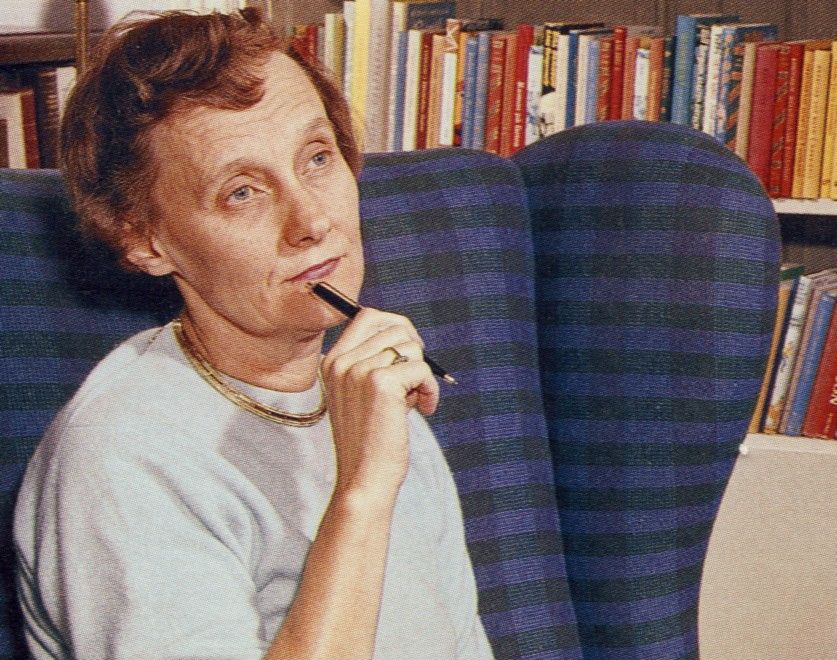
Шведская писательница Астрид Линдгрен жила в Стокгольме.
В своем она дневнике писала: «Утром в половине пятого немецкие войска перешли российскую границу... Так что бывшие союзники воюют друг с другом, и бедная Финляндия снова в огне. Германия утверждает, что Россия вовсе не выполнила условий договора с Германией, а, напротив, делает все, чтобы ей навредить, а Россия утверждает обратное, и что Германия напала без повода. Колоссальные армии стоят друг против друга вдоль всей границы от Северно-Ледовитого океана на севере до Черного моря на юге. Будущее представляет собой один огромный вопросительный знак. Что будет со Швецией? Все увольнительные из армии на праздник Середины лета отменены. У Фурусунда стоят пароходы и ждут, некоторые развернулись и ушли, потому, что они не могут добраться до порта назначения. Крупные пространства Балтики заминированы немцами.
День сегодня был замечательно теплый и солнечный. Стуре пришел из города на совершенно переполненном корабле и не имел о войне никакого понятия, потому, что плыл с 8 утра. Но все равно, было достаточно тревожно. Только бабушка спокойна и говорит, что «скоро все закончится». Я думаю, напротив, что все только начинается. Странно, что теперь надо быть за Германию. Будет затруднительно быть на стороне Германии и против России и на стороне Англии против Германии. Одна сплошная каша. Мы слышим пушечную канонаду в своем новом, взятом напрокат, радиоприемнике. Оказалось правдой: Италия объявила, что находится в состоянии войны с Россией»


Что с ними было после войны
В 1942 году Елену Мухину эвакуировали из Ленинграда в город Горький. Осенью 1945 году она вернулась и поступила Ленинградское художественно-промышленное училище. После войны сначала работала чернорабочей, потом — художником-оформителем. Умерла в 1991 году в Москве.
Софья Аверичева вернулась с войны в 1945 году и поступила в Волковский театр в Ярославле. Там она прослужила до 1991 года. Умерла в 2015 году — ей было 100 лет.
Известность Константину Симонову принесло стихотворение «Жди меня», которое опубликовали в 1942 году. Как военный журналист, он был на фронтах в Румынии, Болгарии, Югославии, Польше и Германии. После войны опубликовал несколько своих книг. Умер в 1979 году в Москве.
В годы войны Иван Бунин c семьей был в эмиграции в Грасе. В 1943 году в США на русском языке издали «Темные аллеи». После войны семья вернулась в Париж. Бунин мечтал приехать в Союз, но из-за плохого состояния здоровья ему пришлось уехать лечиться на юг Франции. Писатель умер в 1953 году в Париже.
После войны Владимир Гельфанд вернулся в Днепропетровск, где жила его мать. Он работал педагогом в 21-ом профессиональном училище города, где, по его воспоминаниям, регулярно сталкивался с проявлениями антисемитизма. Умер в 1983 году в Днепропетровске.
Владимир Вернадский вернулся в Москву из эвакуации в конце августа 1943 года. В 1944 году, когда ученому было уже 80 лет, у него случился инсульт. В следующем году он умер.
Астрид Линдгрен жила в Швеции, которая во время Второй мировой официально придерживалась политики нейтралитета. Тем не менее в своих дневниках она описывала военные события, которые происходили за границами страны. За свою жизнь Линдгрен издала множество книг, среди которых «Пеппи Длинный чулок» и «Малыш и Карлсон, который живет на крыше». Писательница умерла в 2002 году в Стокгольме.
Лидия Осипова вместе с мужем первую военную зиму пережили в Пушкине, в мае 1942 года перебрались в Павловск, через год — в Тосно, в октябре 1943-го — в Гатчину, а потом — в Ригу. В ее «Дневнике коллаборантки», который вышел после войны, говорится, что супруги в той или иной степени сотрудничали с нацистами, хотя в итоге разочаровались в их миссии. В 1944 году их эвакуировали в Германию. Чтобы избежать выдачи в СССР после войны, супруги (настоящая фамилия Поляковы) сменили имена. Лидия Осипова умерла в 1958 году в немецком Обераммергау.
Перед блокадой Ленинграда Лев Маргулис отправил жену и дочь в эвакуацию, а сам остался в городе. Во время блокады он работал в оркестре Дома радио. В его дневнике говорится, что музыканты в прямом эфире играли на радио для всего Союза. Записи делали, чтобы показать, что город «живет нормальной жизнью». После войны семья вернулась в Ленинград. Маргулис умер в марте 1975 года.
Во время войны Сергей Вавилов вместе с женой были в эвакуации в Йошкар-Оле, а их сын остался в блокадном Ленинграде. В 1945 году Вавилов возглавил Академию наук СССР. Он также был главным редактором второго издания Большой советской энциклопедии. В конце 1950 года здоровье ученого значительно ухудшилось — после тягот эвакуации у него начались проблемы с сердцем. Он умер от инфаркта в 1951 году в Москве. ,
© RTVi

 Russian
RTVi, 22 June 2018
People listening to the announcement of the outbreak of war in Baku. Photograph: Wiki Commons.
Seventy-seven years ago, on 22 June 1941, the German army attacked the Soviet Union. The Great Patriotic War began. Many people were caught completely by surprise: few expected Germany, which had signed a non-aggression pact with the USSR only two years earlier, to invade Soviet territory. RTVI collected diary entries about the first day of the war written by writers, artists, actors and other well-known people of the period.
Sofya Avericheva was a theater actress who served as a scout during the Great Patriotic War. She met the beginning of the war in Rybinsk, Yaroslavl Region.
Photograph: still from a video by the Yaroslavl City Television Channel / YouTube.
“War! We know it only from books and films. Even the songs said that if we had to fight, we would fight on foreign territory. Yet since four o’clock in the morning the Germans have been trampling our Soviet soil.
“Here in Rybinsk it is impossible to believe that somewhere blood is already being shed.
“The entire theater company has assembled. A meeting has begun. Actor Stagronsky speaks: ‘The enemy will go no farther!’ and recites Mayakovsky. Actress Chudinova says: ‘If there are no grenades, we will fight with stones.’ Actor Politimsky: ‘We shall all rise as one to defend the Fatherland!’
“Good, true words. But why is there so much pathos while everyone’s eyes are frightened, confused and anxious?
“In the evening, at the opening of our tour, there are only eighteen or twenty people in the enormous hall of the Palace of Culture. The curtain goes up. The empty auditorium makes my heart turn cold. War! Backstage everyone walks on tiptoe and speaks in whispers. War!”
Konstantin Simonov was a Soviet writer, poet and screenwriter. When the war began he was in Odesa.
Konstantin Simonov (center). Photograph: Wiki Commons.
“On 21 June I was summoned to the Radio Committee and asked to write two anti-fascist songs. That was how I felt that the war which, in essence, all of us had been expecting was very close.
“I learned that the war had already begun only at two in the afternoon. All morning on 22 June I had been writing poetry and had not gone to the telephone. When I finally did, the first thing I heard was: war.
“I immediately telephoned the Political Directorate. They told me to call again at five.
“I walked through the city. People were hurrying, but outwardly everything was generally calm.
“There was a meeting at the Writers’ Union. A great many people crowded into the courtyard. Among them were many who, like me, had returned only a few days earlier from training camps after completing courses for war correspondents. Now, there in the courtyard, we agreed among ourselves that we would go to the front together and not become separated. Later, of course, all those conversations proved naïve, and we went neither where nor in the way we had imagined.”
Writer Ivan Bunin was in Paris when Germany attacked the Soviet Union.
Photograph: Wiki Commons.
He wrote in his diary:
“I begin a new page to continue this day—a great event. Germany declared war on Russia this morning, and the Finns and Romanians have already ‘invaded’ its ‘territory.’
“After breakfast (plain puréed-pea soup and salad) I lay down to continue reading Flaubert’s letters (a letter from Rome to his mother dated 8 April 1851), when suddenly Zurov shouted: ‘I. A., Germany has declared war on Russia!’ I thought he was joking, but Bakhr shouted the same thing from downstairs. I ran into the dining room to the radio—yes! We are terribly agitated. […]
“A quiet, murky day, the whole valley covered in a light whitish mist.
“Yes, now it really is this: make or break.”
Writer Vladimir Gelfand met the war in Dnipropetrovsk and later left for the front from Yessentuki.
Photograph: Gelfand family private archive / Wiki Commons.
“The war changed all my plans for the summer holidays. I had already passed almost all my examinations; only mathematics remained—my most disliked and most difficult subject. I had promised myself that I would study tirelessly every day so that I could be free in the summer and have a good holiday.
“On the twenty-second of last month, together with Olya and her friends Valya Yashkova and Maya Belokopytnaya, I went to the Maly Theater, which was then touring our city. They performed A. N. Ostrovsky’s comedy Truth Is Good, but Happiness Is Better. It was performed by famous People’s Artists of the Union and the Republic and was a great success despite the weakness of plot characteristic of early Ostrovsky.
“Cheerful and excited by the performance, we left the auditorium of the Gorky Drama Theater.
“The streets were full of bustling people. The trams were overcrowded and people were hanging from the footboards, so that it was only with difficulty that we managed to get on and then get off at the stop we needed.
“At Olya’s we learned that Germany had declared war on us. It was terrible and unexpected. She was summoned to school, and since Olya’s mother was not at home I went with her.
“All the children were already assembled there. Komsomol members and non-members alike were taping windows, digging pits, bustling about and making noise; everyone was in an unusual state.”
Scientist Vladimir Vernadsky had been evacuated from Moscow to the village of Borovoye in Kazakhstan before the war. He wrote:
Photograph: Archive of the USSR Academy of Sciences / Wiki Commons.
“At four in the morning—without warning or a declaration of war—on Sunday, 22 June, German troops moved against our country and caught it by surprise.
“At the sanatorium in Uzkoye we learned about it by radio from V. M. Molotov’s speech.
“He said that at that hour German aircraft were bombing Kyiv, Zhytomyr and Kaunas and that [we had been attacked] from the Romanian border. More than two hundred people were killed and wounded. At the same time our border troops on the western frontier and in Finland were attacked.
“From the speech one might have thought that although the Germans had been repulsed and had not caught [us] by surprise, they were nevertheless on our territory. Count Schulenburg announced at 5:30 in the morning that this was caused by the concentration of our troops on the German border.
“Molotov’s speech was not very successful. He declared that this was the second Patriotic War and that Hitler would meet Napoleon’s fate. He called on everyone to rally around the Bolshevik Party.
“It is clear that [we] were caught by surprise. Everything that many people apparently knew from German and British radio was concealed.
“They say Germany proposed that Britain make peace (Hess?—I had not believed it). It was said that Roosevelt rejected this proposal. It seems unlikely to me that Britain could make peace with Germany under these circumstances—at our expense.”
Swedish writer Astrid Lindgren was living in Stockholm.
Photograph: Wiki Commons.
She wrote in her diary:
“At half past four this morning German troops crossed the Russian frontier… So the former allies are fighting one another, and poor Finland is in flames again. Germany says Russia has not fulfilled the terms of its agreement with Germany and, on the contrary, is doing everything to harm it; Russia says the opposite, that Germany attacked without cause.
“Enormous armies stand facing one another along the entire frontier from the Arctic Ocean in the north to the Black Sea in the south. The future is one enormous question mark. What will happen to Sweden? All army leave for the Midsummer holiday has been canceled. Steamships are lying off Furusund waiting; some have turned around and gone away because they cannot reach their destination ports. Large areas of the Baltic have been mined by the Germans.
“Today was wonderfully warm and sunny. Sture came from the city on a completely overcrowded boat and knew nothing about the war because he had been traveling since eight in the morning. Even so, it was anxious enough. Only Grandmother is calm and says that ‘it will all soon be over.’ I think, on the contrary, that everything is only beginning. It is strange that one must now be for Germany. It will be difficult to be on Germany’s side against Russia and on Britain’s side against Germany. One complete muddle. We hear cannon fire on our new rented radio receiver.
“It turned out to be true: Italy has announced that it is in a state of war with Russia.”
Photograph: Yevgeny Umnov / TASS.
Elena Mukhina. In 1942 she was evacuated from Leningrad to Gorky. In autumn 1945 she returned and enrolled in the Leningrad Art and Industrial School. After the war she first worked as an unskilled laborer and later as a graphic designer. She died in Moscow in 1991.
Sofya Avericheva. She returned from the war in 1945 and joined the Volkov Theater in Yaroslavl, where she worked until 1991. She died in 2015 at the age of one hundred.
Konstantin Simonov. His poem “Wait for Me,” published in 1942, made him famous. As a military journalist he worked at the fronts in Romania, Bulgaria, Yugoslavia, Poland and Germany. After the war he published several books. He died in Moscow in 1979.
Ivan Bunin. During the war Bunin and his family lived in exile in Grasse. In 1943 his book Dark Avenues was published in Russian in the United States. After the war the family returned to Paris. Bunin dreamed of visiting the Soviet Union, but poor health forced him to go to southern France for treatment. He died in Paris in 1953.
Vladimir Gelfand. After the war he returned to Dnipropetrovsk, where his mother lived. He worked as a teacher at the city’s Vocational School No. 21, where, according to his recollections, he repeatedly encountered manifestations of antisemitism. He died in Dnipropetrovsk in 1983.
Vladimir Vernadsky. He returned to Moscow from evacuation at the end of August 1943. In 1944, when he was already eighty, he suffered a stroke. He died the following year.
Astrid Lindgren. She lived in Sweden, which officially maintained a policy of neutrality during the Second World War. Nevertheless, her diaries described military events beyond Sweden’s borders. During her lifetime Lindgren published many books, including Pippi Longstocking and Karlsson-on-the-Roof. She died in Stockholm in 2002.
Lidiya Osipova. She and her husband spent the first wartime winter in Pushkin, moved to Pavlovsk in May 1942, to Tosno a year later, then to Gatchina in October 1943 and afterward to Riga. Her postwar Diary of a Collaborator states that the couple cooperated with the Nazis to one degree or another, although they ultimately became disillusioned with their mission. In 1944 they were evacuated to Germany. To avoid extradition to the USSR after the war, the couple—whose real surname was Polyakov—changed their names. Lidiya Osipova died in Oberammergau, Germany, in 1958.
Lev Margulis. Before the siege of Leningrad he sent his wife and daughter away in evacuation but remained in the city himself. During the siege he worked in the Radio House orchestra. His diary says that the musicians performed live on the radio for the entire Soviet Union. Recordings were made to demonstrate that the city was “living a normal life.” After the war the family returned to Leningrad. Margulis died in March 1975.
Sergei Vavilov. During the war he and his wife were evacuated to Yoshkar-Ola while their son remained in besieged Leningrad. In 1945 Vavilov became president of the USSR Academy of Sciences. He was also editor-in-chief of the second edition of the Great Soviet Encyclopedia. By the end of 1950 his health had deteriorated significantly; after the hardships of evacuation he developed heart problems. He died of a heart attack in Moscow in 1951.
© RTVi
The RTVi quotation cards reproduce quotations and biographical labels from the article. Their substantive text is translated above. The RTVi logos and the “18+” age mark are retained as in the original images.