



| Что
делали красноармейцы с пленными немецкими девушками? Вся правда о «миллионах жертв» немок! |
||
| |
||
| Один из
самых живучих мифов
Второй мировой войны — это история о «миллионах
изнасилованных немок Красной армией». На Западе его
десятилетиями
используют как доказательство «зверств советских
солдат», а
в постсоветском пространстве — как инструмент антисоветской
пропаганды. Но что же происходило на самом деле? В этом видео мы разберём: Откуда появился миф о «миллионах жертв»; Как дневник советского офицера Владимира Гельфанда стал основой для сенсаций; Что говорят реальные документы и статистика военных трибуналов; Почему миф так легко укоренился в массовом сознании; И как сегодня используют эту историю в политике и медиа. Правда часто оказывается куда сложнее сенсационных заголовков. |
||
| 19 авг. 2025 г. | ||
| |
||
 |
||
 |
||
| Это одна из самых
страшных и упорно живущих
легенд о Второй мировой. Миллионы изнасилованных немок Красной армией.
Цифра,
которая звучит как приговор целому народу. Но правда ли это? Откуда взялась эта ужасающая история, почему её так легко подхватили на Западе и зачем её продолжают повторять сегодня? За громкими словами скрывается совсем иная картина и куда более сложная, чем сенсационные заголовки. Вторая мировая война закончилась для Германии не только военным разгромом и потерей территорий, но и масштабным кризисом национального самосознания. Страна, которая считала себя центром цивилизации Европы, внезапно оказалась в руинах, под властью победителей. В условиях этой катастрофы возникла потребность объяснить случившееся не только поражением на фронтах, но и личными трагедиями миллионов немецких женщин и мужчин. Именно здесь зародился один из самых живучих послевоенных мифов – представление о том, что Красная армия якобы поголовно занималась насилием над немецкими женщинами. Этот миф пережил десятилетия. В западной прессе он регулярно всплывает как доказательство варварства советского режима. В постсоветской публицистике его используют для дискредитации Сталина и всего советского проекта, а некоторые современные исследователи и вовсе оперируют астрономическими цифрами – 2 миллиона жертв, а порой даже десятки миллионов. При этом нередко в качестве доказательства приводят не архивные документы, а воспоминания, слухи или художественные тексты. Одним из важнейших источников, к которым обращаются сторонники этой версии событий, стал дневник советского офицера Владимира Натановича Гельфанда. Казалось бы, парадокс – офицер, который был убеждённым сталинистом и всю войну прошёл от начала и до конца, вдруг стал тем, чьи записи используются для оправдания антисоветских тезисов. Кем был Владимир Гельфанд? Уроженец Днепропетровска, еврей по национальности, он вступил в Красную армию в 1942 году в звании сержанта. Сначала служил командиром миномётного отделения. Позже – заместителем командира взвода по политической части. Сражался под Сталинградом, пережил окружение и тяжёлые бои, вступил в партию и сохранил верность Сталину на протяжении всей войны. Гельфанд вёл подробный фронтовой дневник, куда заносил свои впечатления без цензуры. Эти записи дошли до наших дней и были опубликованы в России, Германии и Швеции. Благодаря своей откровенности дневник стал ценным источником для историков. В нём можно найти и бытовые зарисовки солдатской жизни, и описания боёв, и эмоциональные реакции на происходящее. Однако именно отсутствие фильтрации сыграло двоякую роль. Записи Гельфанда содержат упоминания о насилии над немецкими женщинами. Причём сам он часто пересказывает чужие слова, не являясь свидетелем, но преподносит услышанное с интересом и иногда даже оправдывая услышанное. Так, например, он записал рассказ сержанта Андреева о женском батальоне, якобы попавшем в плен, и о том, как пленных девушек разбирали по койкам. Эти эпизоды стали находкой для тех, кто стремился доказать тезис о массовом насилии, ведь советский офицер фиксировал подобные события на бумаге. Правда, остаётся за кадром, что он не был очевидцем большинства описанных эпизодов, а лишь записывал услышанные байки, которые и в советской, и в немецкой армии распространялись десятками. Чтобы понять, почему записи Гельфанда стали настолько значимыми в мифотворчестве, важно осознать сам механизм рождения слухов в военное время. В условиях фронта, когда солдаты переживают колоссальное напряжение, возникают своеобразные фольклорные сюжеты. Одним из таких сюжетов были истории о женских батальонах, об амазонках Третьего рейха или, напротив, о поголовно изнасилованных немках. Такие истории выполняли несколько функций. Они позволяли оправдать собственные тяготы войны, придать событиям драматизм, а иногда и объяснить недисциплинированное поведение отдельных бойцов. В итоге фронтовые слухи обрастали подробностями и, попадая в дневники или мемуары, начинали восприниматься как документальные свидетельства. Именно так произошло с записями Гельфанда. Его дневник — это не протокол, а личное восприятие войны. Но многие исследователи, особенно в Германии, восприняли его как прямое доказательство массового насилия, хотя сами эпизоды больше похожи на пересказ фронтового фольклора, чем на строгую хронику. Почему миф оказался таким живучим? Здесь нужно выделить несколько факторов: психологическая травма Германии — страна пережила военное поражение, разрушение городов и миллионы погибших. В такой ситуации удобнее было представить себя не только агрессором, но и жертвой. Политический контекст холодной войны: в условиях противостояния СССР и Запада тема «зверств Красной армии» стала удобным инструментом пропаганды. Отсутствие массового доступа к советским архивам: до конца XX века точные данные о дисциплинарной практике Красной армии и о наказаниях за преступления практически не были известны. Это позволяло оперировать любыми цифрами. Использование частных свидетельств: дневники, мемуары и устные рассказы легко цитировались как документальные доказательства, хотя историческая критика источников почти не применялась. Записи Гельфанда идеально вписались в эту схему. С одной стороны, они действительно подлинные; с другой — содержат эмоциональные и непроверенные эпизоды. Таким образом, мы видим парадоксальную картину. Советский офицер, который в своём дневнике многократно выражал искреннюю любовь к Сталину и верность партии, стал одним из невольных свидетелей обвинения против той самой армии, которой он гордился. Его записи вырывались из контекста и цитировались в западной прессе как подтверждение зверств, хотя сам автор едва ли имел подобное намерение. Тем не менее именно с дневника Гельфанда начинается современная версия мифа о «миллионах изнасилованных немок». В следующей главе мы подробно рассмотрим, какие именно эпизоды его дневника стали основой для мифотворчества, и попробуем отделить факты от слухов и пересказов. Среди записей Владимира Гельфанда особое внимание исследователей привлекли эпизоды, где он упоминает столкновение советских частей с так называемыми женскими батальонами Вермахта. Эти истории занимают заметное место в его дневнике и стали основой для целой серии публикаций, утверждающих, будто Красная армия действительно брала в плен сотни немецких женщин, которых потом ожидала участь трофеев. Но если внимательно проанализировать эти эпизоды, становится ясно, что речь идёт скорее о фронтовых слухах, чем о реальных событиях. В феврале 1945 года Гельфанд записывает, что на левом фланге его части действовал женский батальон. По словам советских солдат, пленённые женщины называли себя «мстительницами за погибших мужей». Однако достоверных свидетельств существования боевых женских батальонов в Вермахте нет. В Германии действительно имелись так называемые «помощницы Вермахта». Но они исполняли функции связисток, радисток, телефонисток, писарей. Их вооружение ограничивалось личными пистолетами для самообороны. Исключение составляли подразделения ПВО, где женщины могли обслуживать зенитные орудия. Но ни о каких полноценных батальонах смерти, шедших в атаку с автоматами наперевес, речи быть не могло. Таким образом, уже первая история Гельфанда вызывает сомнения. Сам он честно признаётся: «Не знаю, что с ними сделали». То есть офицер даже не видел пленных собственными глазами, а лишь записал пересказ чужих слов, добавив эмоциональный комментарий о том, что женщин следовало бы казнить безжалостно. Куда более красочная и часто цитируемая вторая история, датированная мартом 1945 года. Здесь Гельфанд приводит рассказ сержанта Андреева, который утверждал, что участвовал в бою под Бернлихетом. По его словам, советские десантники окопались и ждали атаки. К их удивлению, перед ними появились цепи немецких женщин, вооружённых автоматами, а за ними — ряды мужчин. Немки якобы смело шли вперёд и даже открыли огонь по советским позициям. В какой-то момент прозвучала команда, и красноармейцы расстреляли наступающих. Женщины дрогнули, начали бежать, но попали в плен. Почему рассказ сомнителен? Отсутствие источников. Ни в советских, ни в немецких документах не зафиксировано существование женских батальонов, действовавших на передовой. Военная нелогичность. В мемуарах немецких девушек, которых действительно иногда привлекали к службе, читаем совсем иное. Страх, нежелание убивать, полное отсутствие боевого энтузиазма. Например, Элизабет Циммерер признавалась: «Я взяла противника на прицел, но не смогла нажать на спуск». Это резко противоречит описанию смелых амазонок из рассказа Андреева. Характер фронтовых баек. История слишком живописна, героические немки идут в атаку, потом попадают в плен, затем следуют сцены насилия. Она больше напоминает смесь солдатской байки и мужских фантазий, чем достоверный отчёт. Почему подобные рассказы вообще появлялись? У этого сюжета была своя служебная функция. Для советских солдат байки о «женщинах-воительницах» подчёркивали извращённость врага. Смотрите, Красная армия издевалась над пленными женщинами. Таким образом, один и тот же миф мог интерпретироваться по-разному, в зависимости от политического контекста. Важно отметить: Гельфанд сам не участвовал в этих эпизодах. Мало кто обращал внимание на оговорки автора. Ситуация с женскими батальонами у Гельфанда напоминает рассказы, которые записывал военный корреспондент Осмар Уайт. Он писал, что одна женщина пересказывала ему жуткие истории о зверствах русских, но в итоге призналась: единственное, что она видела сама, — это как пьяные офицеры стреляли по бутылкам. То есть слухи и фантазии множились и превращались в доказательства, которые охотно подхватывали и журналисты, и исследователи. Таким образом, оба эпизода — и о «Мстительницах», и о бое под Бернлихетом — нельзя воспринимать как достоверные факты. Это скорее иллюстрация того, как военные слухи попадали в личные записи, а затем становились аргументами в идеологических спорах. После ярких историй о женских батальонах, которые, скорее всего, принадлежат к фронтовым мифам, в дневнике Гельфанда встречаются и другие записи, касающиеся поведения советских солдат в Германии. Эти фрагменты гораздо важнее для анализа, потому что они относятся к реальности. Насилие действительно происходило, и оно зафиксировано не только в частных воспоминаниях, но и в официальных документах советской армии. В феврале и апреле 1945 года Гельфанд несколько раз упоминает встречи с немками, которые жаловались на издевательства со стороны солдат. В Берлине он записывает разговор с группой женщин, утверждавших, что стали жертвами массового насилия. Здесь важно подчеркнуть: Гельфанд не описывает события, свидетелем которых был лично, он фиксирует слова других людей. Но в отличие от женских батальонов, в этих записях нет откровенной фантастики. Женщины действительно жаловались, и солдаты действительно позволяли себе преступления. Эти дневниковые строки стали одним из оснований для западных исследователей, которые выстраивали тезис о «массовом характере насилия». Противники Красной армии часто умалчивают о том, что насилие в отношении мирного населения прямо запрещалось советским командованием. В знаменитом приказе № 229, подписанном Сталиным, говорилось: «Оставшееся население на завоёванных областях, независимо от того, немец ли, чех ли, поляк ли, не должно подвергаться насилию, виновные будут наказаны по законам военного времени, за насилие и изнасилование виновные будут расстреляны». Этот приказ был не просто декларацией, он активно исполнялся. Из него следует, что за две недели — с 22 апреля по 5 мая — на территории, контролируемой семью советскими армиями, зафиксировано 124 преступления против немцев: из них 72 изнасилования, 38 случаев грабежа, 3 убийства, 11 прочих нарушений. То есть в отчётный период насилие действительно имело место, но речь шла о десятках случаев, а не о сотнях тысяч. Позднее историки подсчитали, что всего военными трибуналами за разные формы насилия и грабежей было осуждёно около 4148 офицеров и большое число рядовых. Одним из наиболее часто цитируемых доказательств массового насилия стали подсчёты немецкой исследовательницы Барбары Йор. Она вывела цифру в два миллиона изнасилованных женщин. Дело в том, что многие немецкие женщины добровольно вступали в отношения с советскими солдатами. В условиях разрухи и голода это иногда становилось способом выживания. Если суммировать данные военных трибуналов и прокурорских отчётов, можно говорить о нескольких тысячах случаев, за которые конкретные виновные были наказаны. Сравним. Западные исследователи порой называют цифры в два, десять, а то и двадцать миллионов жертв. Почему миф прижился? Причина в том, что статистика малоинтересна для массового сознания. Десятки или сотни случаев насилия звучат страшно, но не создают образ массового террора. Но советское командование боролось с этим, виновные несли суровое наказание, а масштабы преступлений не превышали нескольких тысяч случаев. Превращение этих трагедий в миф о «миллионах жертв» — результат сочетания фронтовых баек, эмоциональных воспоминаний и политических манипуляций. История о «миллионах изнасилованных немок» — это не просто искажённое восприятие отдельных случаев, а полноценный миф, который десятилетиями подпитывался прессой, политиками и частью академической среды. Чтобы понять, как он стал столь живучим, нужно проследить этапы его эволюции. В 1945 и 1946 годах Германия переживала катастрофу — миллионы беженцев, голод, разрушенные города, деморализованное общество. В этой ситуации формировался новый национальный нарратив — немцы начинали видеть себя не только как виновников войны, но и как жертв. «Мы тоже жертвы войны». С конца 1940-х годов тема «зверств Красной армии» стала частью западной пропаганды. В США и Великобритании публиковались книги и статьи, где утверждалось, что советские войска якобы насиловали каждую женщину подряд. Немецкая исследовательница Барбара Йор в 1970-е годы вывела число в 2 миллиона жертв, опираясь на весьма сомнительные подсчёты детей, рождённых от советских солдат. Некоторые феминистские организации в 1980-е начали говорить уже о 10–15 миллионах женщин. В прессе встречались и вовсе фантастические цифры — до 20 миллионов. Одним из самых заметных стал дневник Владимира Гельфанда. В Германии его издали как свидетельство «изнутри» от советского офицера. Журналисты и историки начали цитировать эпизоды о «женских батальонах» и «трофеях», часто без оговорки о том, что сам Гельфанд не был свидетелем событий. В 1990-е — 2000-е годы в самой России и Украине начался процесс пересмотра советского прошлого. Сегодня миф продолжает жить по нескольким причинам. Политический заказ. В условиях информационной войны любые аргументы против России находят спрос. Феминистский дискурс. Международные организации нередко используют цифры «миллионов жертв», чтобы показать масштабы военного насилия вообще, не вдаваясь в детали источников. Живучесть сенсаций. Газетный заголовок «2 миллиона изнасилованных» работает куда сильнее, чем скучные архивные отчёты прокурора о 70-ти случаях за две недели. В итоге мы наблюдаем любопытный парадокс — архивные документы показывают сотни и тысячи случаев, за которые людей судили. Дневники фиксируют отдельные жалобы и слухи. Пресса и публицистика превращают это в миллионы жертв. То есть путь от факта к мифу проходит через искажения и преувеличения, подогреваемые политическими интересами. Таким образом, миф о «миллионах изнасилованных немок» оказался продуктом нескольких факторов — травмы немецкого общества, пропаганды холодной войны, сенсационной публицистики и вырванных из контекста дневниковых записей. Когда речь заходит о насилии в отношении гражданского населения в годы Второй мировой, внимание чаще всего сосредотачивается на Красной армии. Западная пресса и часть историографии почти игнорируют то, что подобные преступления совершали все армии без исключения. Начнём с вермахта и войск СС. На территории СССР, Польши, Югославии, Греции и других оккупированных стран насилие носило массовый и системный характер. Таким образом, когда после войны немецкое общество стало говорить о «жертвах Красной армии», оно во многом вытесняло из памяти собственные преступления. Американцы и британцы — освободители с двойными стандартами, союзники на Западе, — тоже не избежали этой проблемы. В американских архивах сохранились документы о тысячах случаев изнасилований, совершённых солдатами армии США во Франции, Италии и Германии. Особенно много жалоб поступало от французов в 1944 году, когда через Нормандию двигались войска генерала Паттона. Местные жители писали жалобы на мародёрство, грабежи и насилие. Британская армия сталкивалась с меньшим числом таких обвинений, но и там зафиксированы сотни преступлений. Важно: американские трибуналы нередко приговаривали виновных к смертной казни, особенно если речь шла о чёрных солдатах. Здесь этнический фактор играл заметную роль — белых американцев чаще оправдывали или ограничивались мягким наказанием, тогда как афроамериканцев расстреливали. Таким образом, дисциплинарная практика у союзников тоже имела свои перекосы. Особо трагическую репутацию приобрели так называемые марокканские гумьеры — солдаты французских колониальных дивизий, которые сражались в Италии. Весной 1944 года, после прорыва линии Густава, колониальные части устроили серию массовых изнасилований местного населения. По свидетельствам итальянцев, жертвами стали тысячи женщин, мужчин и даже подростков. На фоне этих примеров ситуация в Красной армии выглядела двояко. Для сравнения, только в американской армии во Франции и Германии число изнасилований измерялось десятками тысяч. Почему обвинения сконцентрировались на СССР? Есть несколько причин. Политическая обстановка. В холодной войне выгодно было изображать СССР как варварскую силу. Американцам и британцам невыгодно было акцентировать внимание на собственных преступлениях. Травма немцев. Проще было говорить о страданиях от Красной армии, чем о собственных злодеяниях в СССР и на Балканах. Публикации и дневники. На Западе активно публиковали воспоминания вроде дневника Гельфанда или мемуаров немецких женщин, тогда как советские архивы оставались закрыты. Сексуальное насилие во время Второй мировой войны было универсальной проблемой. Его совершали немцы, американцы, французы, британцы, советские солдаты. Во время холодной войны образ миллионов изнасилованных немок стал инструментом давления на Москву. История Второй мировой войны переплетена с миллионами человеческих трагедий. Но далеко не все факты попадают в коллективную память. После 1945 года Германия столкнулась с колоссальным моральным кризисом. Миллионы немцев были причастны к преступлениям нацистского режима. Страна лежала в руинах, миллионы солдат погибли или попали в плен. Оно вызывает эмоциональный отклик гораздо сильнее, чем, например, статистика бомбардировок или голода. Разрушение города можно объяснить военной необходимостью. Но изнасилование женщины воспринимается как абсолютное зло, поэтому даже единичные случаи сразу запечатлевались в памяти, обрастали слухами и в итоге становились массовыми легендами. Ещё задолго до Второй мировой в западной культуре существовал стереотип «дикого русского». В XIX веке европейская пресса писала о «казаках, пьющих шампанское из сапог». В годы Первой мировой говорили о «русских ордах». Вторая мировая лишь укрепила этот образ. Советский солдат воспринимался как чужак, представитель варварского востока. В массовом сознании немцев и западных европейцев было легче поверить, что именно русские способны на массовое насилие. У самих советских солдат существовал особый фронтовой фольклор. Истории о немках-трофеях или амазонках Гитлера часто пересказывались в окопах. Это был способ снять напряжение, показать мужественность, иногда просто похвастаться. В дневниках, как у Гельфанда, эти разговоры фиксировались и через десятилетия воспринимались как документальные свидетельства. Так бытовые байки превращались в исторические факты. Социальные психологи отмечают, что слухи живут по принципу снежного кома: б Для Запада в холодной войне — доказательство варварства СССР. Для немцев — аргумент в пользу того, что они тоже жертвы. Для постсоветских разоблачителей сталинизма — инструмент критики советского прошлого. В СМИ регулярно появляются статьи с заголовками «Миллионы жертв Красной армии». В интернете цифры множатся, переходя из одних публикаций в другие без проверки источников. Эффект прост: сенсация всегда востребована, а сухая статистика — нет. Живучесть мифа объясняется сочетанием факторов: немецким желанием быть не только виновными, но и жертвами, эмоциональной силой темы, западными стереотипами о «русских варварах», фронтовыми байками, механизмом слухов, политическими интересами и современной культурой сенсаций. Поэтому даже сегодня, когда архивы открыты и статистика известна, миф продолжает существовать. История Второй мировой войны — одно из самых исследованных направлений в мировой науке. Но именно здесь число мифов и искажений особенно велико. Официальные документы, приказы, отчёты, материалы военных трибуналов — строже и точнее, но тоже неполны. Война хаотична, и далеко не каждое преступление попадало в протоколы. В итоге у исследователя возникает дилемма — доверять «живым» источникам, но рисковать наткнуться на слухи или полагаться на сухую статистику, которая недоучитывает факты. Проблема в том, что мифы часто оказываются психологически и политически удобнее, чем реальность. Немцам удобно верить в миллионы жертв, потому что это позволяет говорить о себе как о страдальцах. Западу удобно поддерживать этот нарратив как аргумент против России. Чтобы отделить факты от мифов, профессиональные историки используют несколько приёмов: сравнение источников. Сравнительный анализ. Смотрят, как вели себя разные армии в схожих условиях. Эти методы позволяют отбрасывать явные преувеличения и выстраивать более реалистичную картину. В последние десятилетия многие серьёзные историки обращаются к теме с осторожностью. Почему разрушить миф трудно? Есть несколько причин. Эмоции сильнее фактов. Политическая конъюнктура. Пока идёт информационная борьба, миф будет использоваться как оружие. Медийный эффект. Заголовок «миллионы жертв» всегда привлекательнее, чем сухое «несколько тысяч». Живучесть слухов. Борьба с мифами Второй мировой войны — это не только работа с архивами, но и работа с массовым сознанием. Историку приходится конкурировать с журналистом и политиком, для которых правда менее важна, чем эффект. Тем не менее, шаг за шагом научная критика вытесняет пропагандистские цифры. Факты насилия существовали. Красная армия, как и любая армия, в условиях войны и оккупации не избежала преступлений против мирного населения. Официальная политика запрещала насилие. Масштаб трагедии измеряется тысячами, но никак не миллионами. Как появился миф? Дневники и слухи. Записи вроде дневника Гельфанда фиксировали пересказы фронтовых баек и жалобы, превращаясь в документы обвинения. Травма немцев. Для побеждённой Германии истории о насилии стали способом увидеть себя как жертву. Пропаганда холодной войны. Западу было выгодно изображать СССР как варварскую силу; сенсации в прессе это поддерживали. Немецкая армия систематически использовала насилие как инструмент террора. Американцы, британцы, французы тоже оставили после себя тысячи задокументированных преступлений. Красная армия не была исключением, но, в отличие от вермахта, преступления её солдат не являлись частью официальной политики, а карались трибуналами. Дневники и воспоминания ценны, но они субъективны. Статистика важнее сенсаций. Тысячи случаев трагичны сами по себе, но они не превращаются в миллионы. Владимир Гельфанд, верный сталинист и боевой офицер, вёл фронтовой дневник, не думая о том, что спустя десятилетия его записи станут частью западной пропаганды. Его слова о женских батальонах и немках-трофеях оказались вырваны из контекста и превратились в доказательства мифа. Да, насилие существовало, да, отдельные женщины стали его жертвами. Но превращать эти трагедии в образ миллионов изнасилованных — значит подменять историю пропагандой. Реальность куда сложнее. Только так можно уважать память настоящих жертв и одновременно защищать правду о войне. Transkribiert von TurboScribe.ai |
||
 |
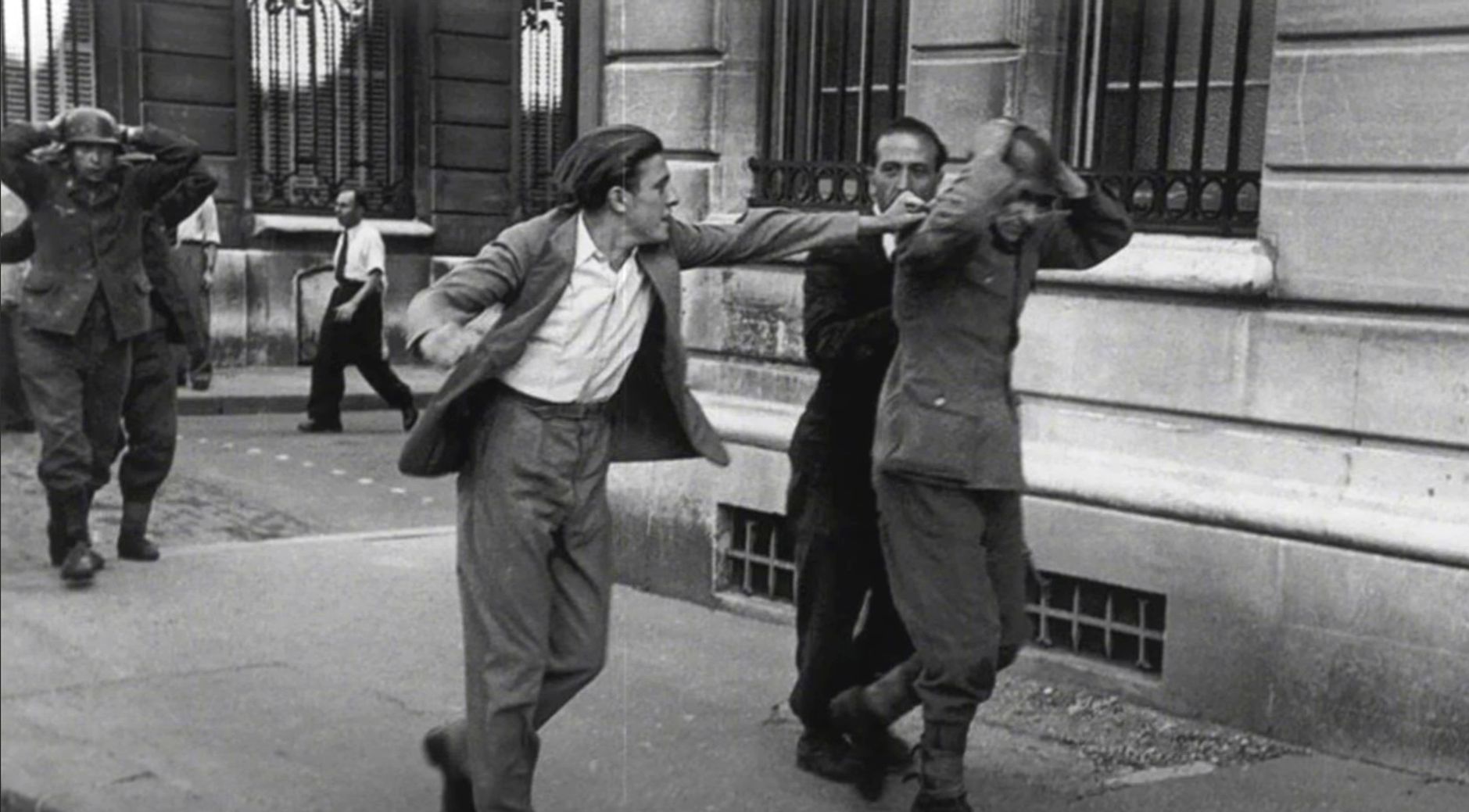 |
||
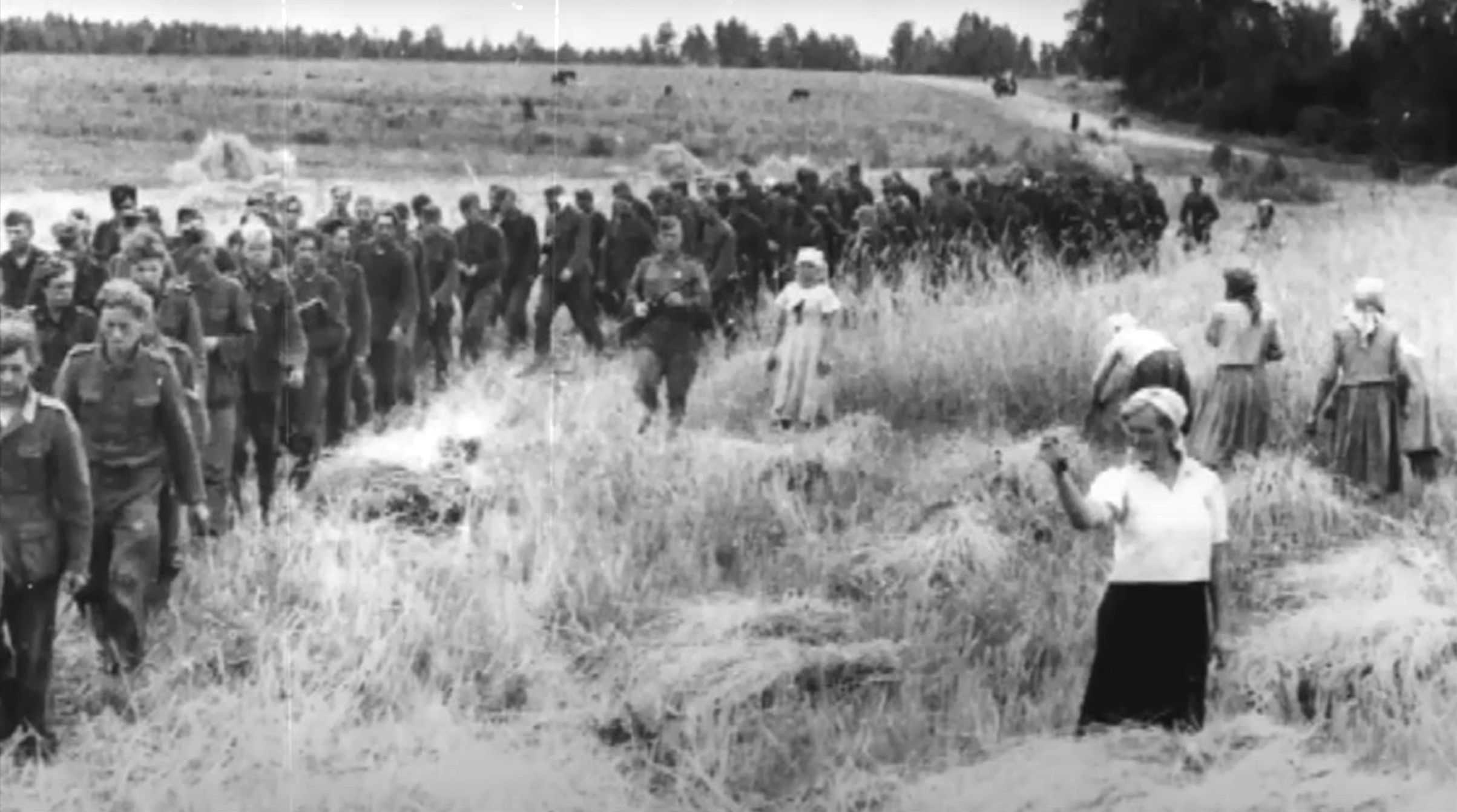 |
 |
||
 |
 |
© В пламени историй

What Did Red Army Soldiers Do to Captured German Girls? The Whole Truth About the "Millions of German Victims"One of the most persistent myths of the Second World War is the story of the "millions of German women raped by the Red Army." In the West it has been used for decades as proof of the "atrocities of Soviet soldiers," and in the post-Soviet sphere as an instrument of anti-Soviet propaganda. But what actually happened? This video examines where the myth of "millions of victims" came from; how the diary of Soviet officer Vladimir Gelfand became a basis for sensational claims; what actual documents and military-tribunal statistics say; why the myth took root so easily in the mass consciousness; and how the story is used today in politics and the media. The truth is often much more complicated than sensational headlines.  This is one of the most frightening and stubbornly persistent legends of the Second World War: millions of German women raped by the Red Army. It is a number that sounds like a verdict on an entire people. But is it true? Where did this horrifying story come from, why was it so readily adopted in the West, and why is it still repeated today? Behind the loud words lies a very different picture, and one far more complicated than sensational headlines suggest. The Second World War ended for Germany not only in military defeat and territorial losses, but also in a profound crisis of national self-understanding. A country that had regarded itself as the center of European civilization suddenly found itself in ruins and under the authority of the victors. In the midst of this catastrophe there arose a need to explain what had happened not only through defeat on the battlefield, but also through the personal tragedies of millions of German women and men. It was here that one of the most enduring postwar myths took shape: the idea that the Red Army had supposedly engaged almost universally in violence against German women. The myth survived for decades. In the Western press it regularly resurfaced as proof of the barbarity of the Soviet regime. In post-Soviet journalism it was used to discredit Stalin and the entire Soviet project, while some modern researchers cited astronomical figures - two million victims, and at times even tens of millions. Yet the evidence presented was often not archival documentation but memoirs, rumors and literary texts. Vladimir Gelfand and the diary as evidenceOne of the most important sources used by supporters of this version of events became the diary of Soviet officer Vladimir Natanovich Gelfand. The paradox is obvious: an officer who was a convinced Stalinist and who fought through the war from beginning to end became a man whose notes were later used to support anti-Soviet arguments. Who was Vladimir Gelfand? Born in Dnipropetrovsk and Jewish by nationality, he joined the Red Army in 1942 with the rank of sergeant. At first he served as the commander of a mortar squad and later as deputy platoon commander for political affairs. He fought around Stalingrad, survived encirclement and heavy combat, joined the Communist Party and remained loyal to Stalin throughout the war. Gelfand kept a detailed frontline diary in which he recorded his impressions without censorship. These notes survived and were published in Russia, Germany and Sweden. Their frankness made the diary a valuable source for historians. It contains sketches of everyday military life, descriptions of combat and emotional reactions to events. Yet that very lack of filtering had a double effect. Gelfand's notes contain references to violence against German women. He often records what other people told him rather than events he personally witnessed, but he writes down what he heard with interest and sometimes even with approval. For example, he recorded Sergeant Andreyev's story about a supposed women's battalion that had been captured and about captured girls being divided among beds. Such episodes became a gift to those who wanted to prove the thesis of mass sexual violence: after all, here was a Soviet officer putting stories of this kind on paper. What is often left out, however, is that he was not an eyewitness to most of the episodes. He was recording stories he heard - the kind of rumors and soldiers' tales that circulated by the dozen in both the Soviet and German armies. To understand why Gelfand's notes became so important to mythmaking, one must understand how rumors are born in wartime. Under frontline conditions, where soldiers endure enormous stress, a special kind of folklore develops. One such motif consisted of stories about women's battalions, the "Amazons" of the Third Reich, or, conversely, about German women who had supposedly all been raped. Such stories fulfilled several functions: they helped justify the hardships of war, added drama to events and sometimes provided an explanation for the undisciplined behavior of individual soldiers. Frontline rumors accumulated details and, once written into diaries or memoirs, began to be perceived as documentary testimony. That, the text argues, is what happened with Gelfand's notes. His diary is not a protocol; it is a personal perception of war. Yet many researchers, especially in Germany, treated it as direct evidence of mass violence, even though the episodes themselves often resemble retellings of frontline folklore more than a strict chronicle. Why did the myth prove so durable?Several factors are emphasized. First was Germany's psychological trauma: the country had suffered military defeat, destroyed cities and millions of dead. In such circumstances it was easier to imagine oneself not only as an aggressor but also as a victim. Second came the political context of the Cold War, when the theme of "Red Army atrocities" became a convenient propaganda instrument in the confrontation between the USSR and the West. Third was the lack of broad access to Soviet archives: until the end of the twentieth century, exact information about Red Army disciplinary practices and punishments for crimes was largely unknown, which allowed almost any figure to circulate. Finally, private testimony - diaries, memoirs and oral accounts - was easy to quote as documentary proof even when the usual historical criticism of sources had not been applied. Gelfand's diary fitted this pattern perfectly. On the one hand it is authentic; on the other, it contains emotional and unverified episodes. The result is paradoxical. A Soviet officer who repeatedly expressed sincere love for Stalin and loyalty to the Party became an involuntary witness for the prosecution against the very army of which he was proud. His words were removed from context and quoted in the Western press as proof of atrocities, although the author himself could hardly have intended that use. According to the text, the modern version of the myth about "millions of raped German women" begins with this use of Gelfand's diary. The next question is which diary episodes became the foundation for mythmaking, and what remains when fact is separated from rumor and retelling. 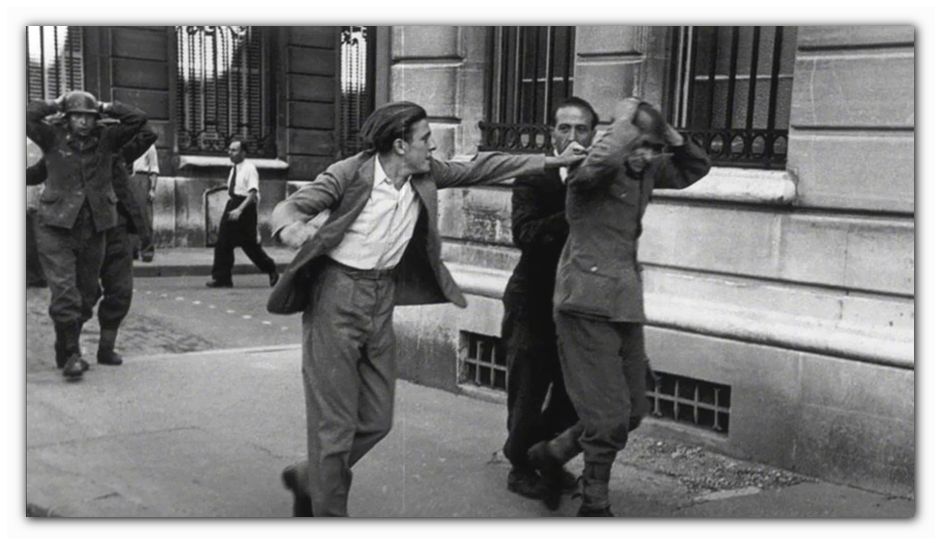 The stories about German women's battalionsAmong Gelfand's entries, researchers paid particular attention to episodes in which he mentions clashes between Soviet units and supposed women's battalions of the Wehrmacht. These stories occupy a noticeable place in his diary and became the basis for a series of publications claiming that the Red Army really did capture hundreds of German women who were then treated as trophies. But a close examination, the text says, shows that these episodes are more likely frontline rumors than real events. In February 1945 Gelfand wrote that a women's battalion had operated on the left flank of his unit. According to Soviet soldiers, the captured women called themselves "avengers" for husbands killed at the front. Yet there is no reliable evidence that combat women's battalions existed in the Wehrmacht. Germany did have so-called Wehrmacht auxiliaries, but they served as signalers, radio operators, telephone operators and clerks. Their weapons were generally limited to personal pistols for self-defense. Anti-aircraft units were an exception, because women could serve gun crews, but there were no full-scale "death battalions" of women advancing with submachine guns. Thus even the first story in Gelfand raises doubts. He himself admits: "I do not know what they did with them." In other words, he did not even see the prisoners with his own eyes. He merely recorded someone else's account and added an emotional comment that the women ought to have been executed mercilessly. A second, more colorful and frequently quoted story is dated March 1945. Gelfand records Sergeant Andreyev's account of a fight near Bernlicht. According to Andreyev, Soviet airborne troops dug in and waited for an attack. To their surprise, lines of German women carrying automatic weapons appeared in front of them, followed by men. The women allegedly advanced boldly and even opened fire on the Soviet positions. At some point an order was given and the Red Army soldiers fired on the attackers. The women faltered, ran and were captured. They were divided into groups. Russian girls were allegedly shot, officers' wives were punished, and young unmarried women were taken to beds for several days. Andreyev, Gelfand writes, even selected a girl for himself and "persuaded" her by pointing a pistol at her. Why does the text consider this story doubtful? First, there is a lack of sources: neither Soviet nor German documents record women's battalions operating at the front. Second, the military logic is questionable. In 1945, when Germany had few combat-capable units left, it is hard to imagine the command sending untrained women into an assault with automatic weapons. Even the Volkssturm was formed from boys and elderly men rather than from armed female assault battalions. Third, memoirs by German women who were actually drawn into service convey a very different psychology: fear, reluctance to kill and an absence of combat enthusiasm. Elisabeth Zimmerer, for example, recalled: "I had the enemy in my sights, but I could not pull the trigger." This contrasts sharply with the image of fearless female assault troops. The conclusion drawn is that the story of the "women's battalion" belonged to the genre of wartime folklore. Gelfand honestly recorded what he had heard, but later readers began to treat the story as an established fact. 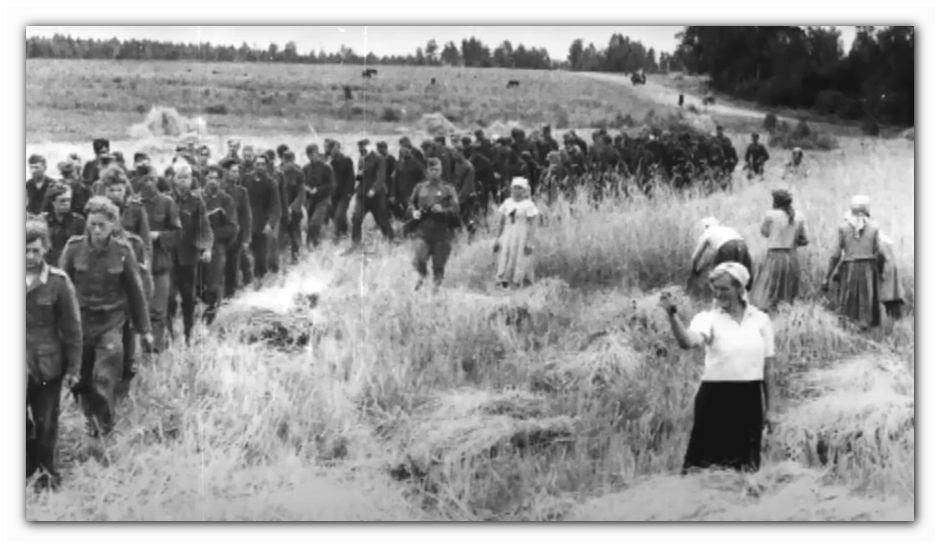 Complaints that belonged to realityAlthough the stories about women's battalions are presented as frontline myths, Gelfand's diary also contains other entries concerning the behavior of Soviet soldiers in Germany. These passages are more important because they relate to real abuses. Violence did occur, and it was documented not only in private recollections but also in official Soviet military records. In February and April 1945 Gelfand several times mentions encounters with German women who complained of abuse by soldiers. In Berlin he recorded a conversation with a group of women who said they had been victims of mass sexual violence. It is important, the text says, that Gelfand again does not describe events he personally witnessed; he records other people's words. But unlike the stories about women's battalions, these passages contain no obvious fantasy. Women did complain, and soldiers did commit crimes. These diary lines became one basis for Western researchers who argued that violence had been "mass" in character. Yet context matters. Gelfand gives no figures, no exact details and no attempt to verify what he heard. For him these are sketches from life, emotional impressions rather than statistics. Critics of the Red Army, the text continues, often omit that violence against civilians was explicitly prohibited by the Soviet command. It cites Order No. 229, signed by Stalin, as saying that the remaining population in conquered areas, whether German, Czech or Polish, was not to be subjected to violence; the guilty were to be punished under wartime law, and those guilty of violence and rape were to be shot. The text says this was not merely a declaration. Military-tribunal verdicts survive in the archives in which soldiers and officers were sentenced, including to execution, for robbery and rape. On that basis it rejects the idea that Soviet command simply ignored such crimes. In May 1945, military prosecutor of the 1st Belorussian Front Major General of Justice Lev Yachenin submitted a report on crimes against civilians. According to the figures quoted in the article, during two weeks from 22 April to 5 May, on territory controlled by seven Soviet armies, 124 crimes against Germans were recorded: 72 rapes, 38 robberies, three murders and eleven other violations. Thus, violence did occur during the reporting period, but the article stresses that the report dealt with dozens of cases rather than hundreds of thousands. It further states that historians later calculated that military tribunals convicted about 4,148 officers for various forms of violence and robbery, along with a large number of enlisted men. The text argues that these numbers are significant but do not support the claim of two million victims. The figure of two millionOne of the most frequently cited arguments for massive sexual violence is associated with the German researcher Barbara Johr, who produced an estimate of two million raped women. The text describes the methodology as follows: researchers counted children born in Berlin and other regions in the first postwar years to Soviet fathers and automatically classified the mothers as victims of rape. A multiplier was then applied because not every rape results in pregnancy, and the resulting estimate was extrapolated across Germany. The article calls this sensational but unreliable. It argues that many German women entered relationships with Soviet soldiers voluntarily; amid destruction and hunger, such relationships could be a means of survival, and there were also genuine romances. Some women married Red Army soldiers, moved with them to the USSR and formed families. Treating all such cases as sexual violence, it says, is historically incorrect. The text insists that actual violence must not be denied and sometimes took extremely brutal forms. But it argues that the real scale differed sharply from propaganda figures. Combining military-tribunal data and prosecutors' reports, it claims, produces a scale of several thousand documented cases in which specific perpetrators were punished, whereas some Western estimates speak of two, ten or even twenty million victims. Why, then, did the myth take hold? The answer offered is that statistics are less compelling to the mass imagination. Dozens or hundreds of assaults are horrifying, but they do not create an image of all-encompassing terror. Millions do. Individual diary entries by Gelfand, complaints by German women and prosecutors' reports about dozens of cases were therefore transformed in the press into proof of a national catastrophe. 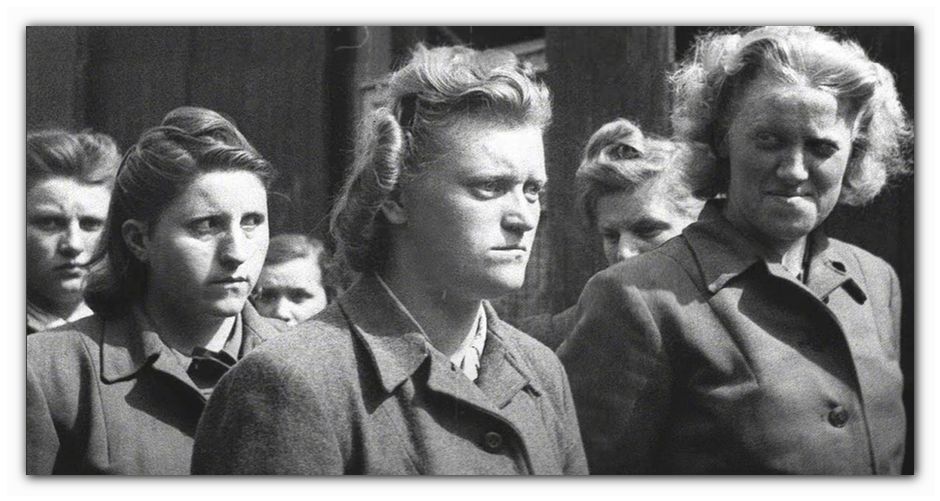 How the postwar narrative developedThe story of "millions of raped German women," the text continues, was not merely a distorted perception of individual cases but a full historical myth sustained for decades by the press, politicians and part of the academic world. To understand its durability, one must follow its evolution. Germany in 1945-46 was a society in catastrophe: millions of refugees, hunger, ruined cities and profound demoralization. A new national narrative began to emerge in which Germans saw themselves not only as the authors of aggression but also as victims. Stories of sexual violence became one convenient element of that self-understanding. Women did suffer, and many experienced terrifying episodes, but in everyday discussion even consensual relationships with Soviet soldiers were often interpreted as violence. Such rhetoric helped soften a sense of guilt: "we too were victims of the war." From the late 1940s, the theme of Red Army atrocities became part of Western propaganda. Books and articles in the United States and Britain claimed that Soviet troops had raped German women indiscriminately. Film and literature fixed the image of the Russian barbarian breaking into a German home. German émigrés actively spread stories about "millions of raped women" to emphasize Soviet barbarism and, in some cases, to portray collaboration with the Nazis as a supposed defense against a Bolshevik threat. Barbara Johr's estimate of two million is placed by the source in this broader development. The text also says that some feminist organizations in the 1980s began citing ten to fifteen million victims and that still more fantastic figures - as high as twenty million - appeared in the press. It argues that none of these numbers rests on a documentary base and that Soviet military archives were closed at the time, making verification impossible. After the collapse of the USSR, new sources were published in Russia and the West. Gelfand's diary became one of the most prominent. In Germany it was published as testimony "from inside" by a Soviet officer. Journalists and historians began quoting passages about "women's battalions" and "trophies," often without noting that Gelfand had not witnessed the events himself. As a result, the diary came to be treated as proof of mass sexual violence even though it contains no statistics and many stories are retellings of other people's words. In the 1990s and 2000s, Russia and Ukraine also began reassessing the Soviet past. Some journalists and new historians used the subject of sexual violence as an argument against Stalinism. Media headlines spoke of "millions of German women - victims of the Red Army," referring either to Gelfand's diary or to Western studies with disputed statistical methods. In mass consciousness this created a double image: the memory of heroic sacrifice on one side and guilt for atrocity on the other. The myth, the text says, survives today because of political demand, because international and feminist discussions of wartime sexual violence sometimes repeat very large numbers without dwelling on source criticism, and because sensational headlines work more powerfully than dry archival reporting. The path from a real crime to a myth therefore passes through distortion and exaggeration reinforced by political interests. Comparison with other armiesWhen violence against civilians during the Second World War is discussed, attention is often concentrated on the Red Army. The source argues that the Western press and part of the historiography pay much less attention to the fact that similar crimes were committed by all armies, and that the historical picture becomes clearer only through comparison. It begins with the Wehrmacht and Waffen-SS. On the territory of the USSR, Poland, Yugoslavia, Greece and other occupied countries, violence was mass and systematic. Women were raped not only by individual soldiers but, according to the text, by entire units; sexual violence was sometimes part of a policy of terror against the population. Punitive detachments and SS units are described as particularly brutal, with documented cases in which women were raped before civilians were executed. The article argues that the German occupation system normalized sexual violence as an instrument of domination and genocide. It next turns to American and British troops. American archives, it says, contain documentation of thousands of rapes by US soldiers in France, Italy and Germany. Numerous complaints came from France in 1944 as General Patton's forces moved through Normandy. Local residents complained about looting, robbery and sexual violence. The British Army faced fewer accusations but also recorded hundreds of crimes. American military courts often imposed death sentences, especially when the defendants were Black soldiers. The article argues that race affected military justice: white American soldiers were more often acquitted or given lighter punishment, while African American soldiers were disproportionately executed. The text also mentions the Moroccan Goumiers of French colonial formations in Italy. After the breakthrough of the Gustav Line in the spring of 1944, these units were accused of a wave of mass sexual violence against local civilians. Italian testimony describes thousands of women, men and adolescents as victims. The events became known as the marocchinate. France later minimized this history, the article says, while its memory remained vivid in Italy. Against these examples, the source presents the Red Army in a dual light. Violence did occur; diaries, local complaints and Soviet prosecutorial documents confirm it. But the text insists that such violence was not official policy. Unlike the Wehrmacht, where it says violence could form part of a strategy of occupation, the Red Army formally prohibited it and punished offenders through military tribunals. The source claims that archival evidence points to thousands of cases. It contrasts this with estimates of tens of thousands of rapes by American troops in France and Germany and asks why the accusations became concentrated on the USSR. Its explanation is political: Cold War propaganda benefited from an image of Soviet barbarity, Western allies had little interest in emphasizing their own crimes, German society preferred to remember suffering at Soviet hands rather than crimes committed by Germans in the USSR and the Balkans, and Western publication of memoirs and diaries occurred while Soviet archives remained inaccessible. 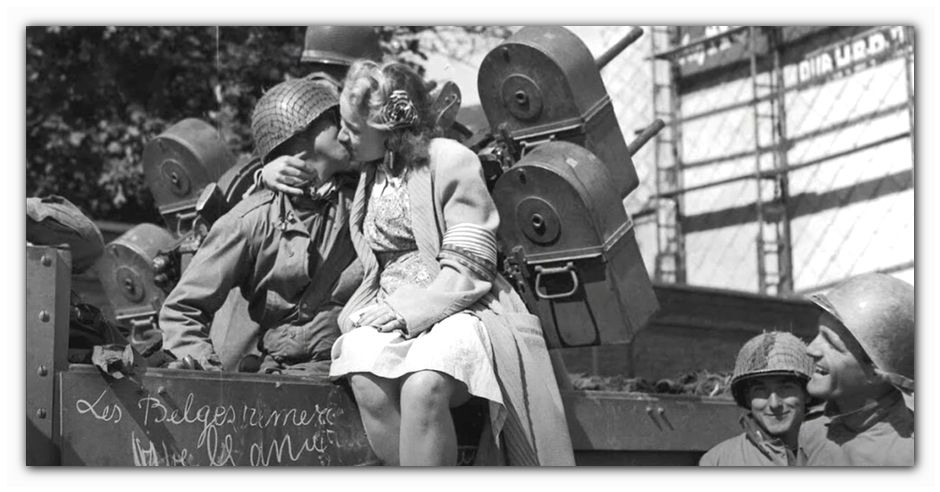 Why myths outlive evidenceSexual violence during the Second World War, the text says, was a universal wartime tragedy. It was committed by Germans, Americans, French, British and Soviet soldiers. The difference it draws is that in the Third Reich violence formed part of the occupation system, while among the Western Allies and in the Red Army it resulted from failures of discipline and was formally punishable. Yet it was the USSR that became the center of the later myth. The reason, the source argues, lies not only in facts but in politics. After 1945 Germany faced an enormous moral crisis. Millions of Germans had been involved in or supported the Nazi regime; cities lay in ruins, millions of soldiers were dead or prisoners, and the world learned the full scale of the Holocaust, mass executions and concentration camps. In such circumstances, it was psychologically easier for society also to speak of itself as a victim. Stories of sexual violence by Soviet soldiers helped Germans see not only their guilt but also their own pain: "yes, we were aggressors, but we suffered too." Sexual violence is one of the strongest taboos in any culture and provokes an emotional response more powerful than statistics about bombing or hunger. A ruined city can be explained as a military necessity; the rape of a woman is perceived as absolute evil. Even isolated cases therefore become deeply fixed in memory, acquire new details and can grow into large collective legends. The source also points to an older Western stereotype of the "wild Russian." Nineteenth-century European newspapers wrote about Cossacks drinking champagne from boots; during the First World War people spoke of "Russian hordes." The Second World War reinforced the image. Soviet soldiers were perceived as outsiders from a supposedly barbaric East, making stories of mass sexual violence easier for German and Western European audiences to believe. Soviet soldiers themselves had their own frontline folklore. Stories about German women as "trophies" or about Hitler's "Amazons" circulated in the trenches. They could release tension, display masculinity or simply serve as boasting. Once such stories entered diaries such as Gelfand's, later readers could mistake them for documentary descriptions of real events. Social psychologists, the text says, describe rumor as a snowball. A real core - several documented cases - is surrounded by speculation, exaggeration and new details. Every retelling makes the story appear more credible until the myth grows to enormous proportions. In this interpretation, several thousand cases found in archival records became millions of victims in public memory. The myth was politically convenient to different groups: for the West during the Cold War, it proved Soviet barbarity; for Germans, it supported a narrative in which they too were victims; for post-Soviet critics of Stalinism, it became a tool for attacking the Soviet past. Each group had an interest in keeping the narrative alive. In the twenty-first century, cinema, literature and the internet continue to reproduce it. Films and books centered on women in wartime Berlin make sexual violence a central theme, while media headlines speak of "millions of Red Army victims." Online, numbers migrate from publication to publication without source checking. Sensation travels farther than dry statistics. Historical methodThe Second World War is one of the most intensely researched subjects in historical scholarship, yet it is also surrounded by myths and distortions because the war is part of the politics of memory and therefore always a battlefield of interpretations. Historians work between two imperfect kinds of evidence. Diaries and memoirs are valuable personal testimony but are always subjective: people record emotions and rumors and may embellish or dramatize. Gelfand's diary is one example. Official documents - orders, reports and military-tribunal records - are stricter and more precise but are also incomplete because war is chaotic and not every crime entered a protocol. To distinguish fact from myth, professional historians compare sources, search for the same episode in independent documents, place stories in the context in which they arose, test statistical claims against archival and demographic data, and compare the behavior of different armies under similar conditions. These methods, the source says, make it possible to reject obvious exaggerations and build a more realistic picture. It cites Russian historians such as Professor Oleg Rzheshevsky as pointing to several thousand recorded cases and thousands of people convicted by military tribunals. It also says that German historians have increasingly questioned the figure of millions and that specialists studying wartime sexual violence acknowledge real Red Army crimes while rejecting the largest propaganda estimates.  ConclusionThe source concludes that the task of historians is not to excuse or condemn the Red Army as a whole, but to restore proportion. Violence occurred, it was documented, and it was a tragic page of the war. At the same time, the text insists that the scale should be measured in thousands rather than millions; that similar crimes were committed by other armies; and that historical myths grow from propaganda, trauma and rumor as well as from actual events. Fighting myths about the Second World War therefore means working not only with archives but also with mass consciousness. The historian must compete with journalists and politicians for whom effect may matter more than accuracy. Step by step, the source says, scholarly criticism can push sensational figures aside. The history of the myth about "millions of raped German women" is thus presented not only as part of the memory of the Second World War but as an example of how historical myths are born and survive. It combines real acts of violence, rumor, human trauma and political interests. The text states that violence did occur. The Red Army, like other armies under conditions of war and occupation, did not avoid crimes against civilians. Official policy prohibited such violence, Stalin's orders demanded protection of civilians, and rape and robbery could be punished severely. Documents record thousands of cases and convictions. In the source's interpretation, the tragedy is measured in thousands, not millions. Why did the myth emerge? Diaries and rumors turned frontline stories into documentary-looking evidence. Defeated German society found a way to speak of itself as a victim. Cold War propaganda had an interest in portraying the USSR as barbaric. Sensational numbers circulated without a documentary foundation but worked well in headlines. Why does the myth survive? It appeals to powerful emotions, answers a psychological need for victimhood, serves political and media interests, and is simple. The image of millions of victims is easier to absorb than complicated archival data. The source also argues that the German army systematically used violence as an instrument of terror and that American, British and French troops likewise left behind documented sexual crimes. In this framing, the Red Army was not unique, although its soldiers did commit crimes. The article's key distinction is that such crimes were not official Soviet policy and were punishable by military tribunals. The story, the text concludes, teaches several lessons: sources must be read critically; diaries and memoirs are valuable but subjective; statistics must not be replaced by sensation; myths can live longer than facts; and history is continually used in politics, making it essential to distinguish scholarly analysis from propaganda. Vladimir Gelfand, a loyal Stalinist and combat officer, kept his diary without imagining that decades later his words would become part of a Western accusatory narrative. His stories about women's battalions and German women as "trophies" were removed from context and turned into evidence for a wider myth. Violence existed and individual women were victims. But, according to the source, transforming these tragedies into an image of millions of raped women means replacing history with propaganda. Reality, it concludes, is more complicated: real crimes, punishments imposed by military authorities, the defeated German desire to see itself as a victim, Cold War sensationalism, and myths that are easier to absorb than uncomfortable, complex evidence. The task of the historian - and of any thinking person - is therefore to keep a sober view: not to deny tragedy, but also not to surrender to manipulation. Only in that way can the memory of actual victims be respected while the truth about the war is protected. © В пламени историй |