



|
|||
| October 25, 2025 | |||
 |
|||
| In 1945, as the Red Army crossed into Germany, Soviet soldiers expected to find a nation of poverty and ruin. Instead, they discovered a standard of living far beyond anything they had known. Their encounter with German prosperity shattered decades of Soviet propaganda and exposed deep truths about life inside the USSR. This video explores the diaries, testimonies, and hidden reactions of soldiers like Vladimir Gelfand—men who realized that even in defeat, Germany lived better than the Soviet Union in victory. | |||
 |
|||
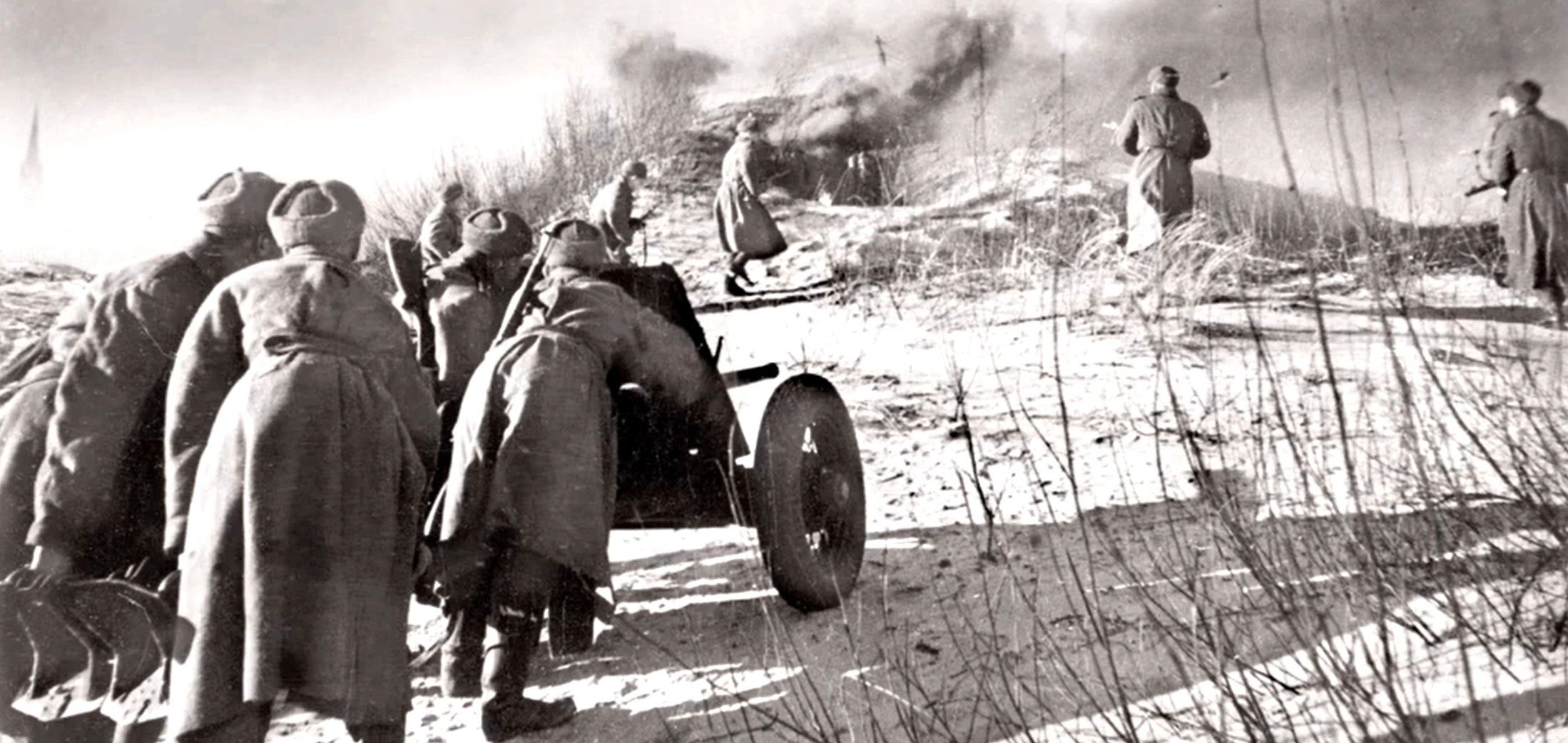
| January 1945, East
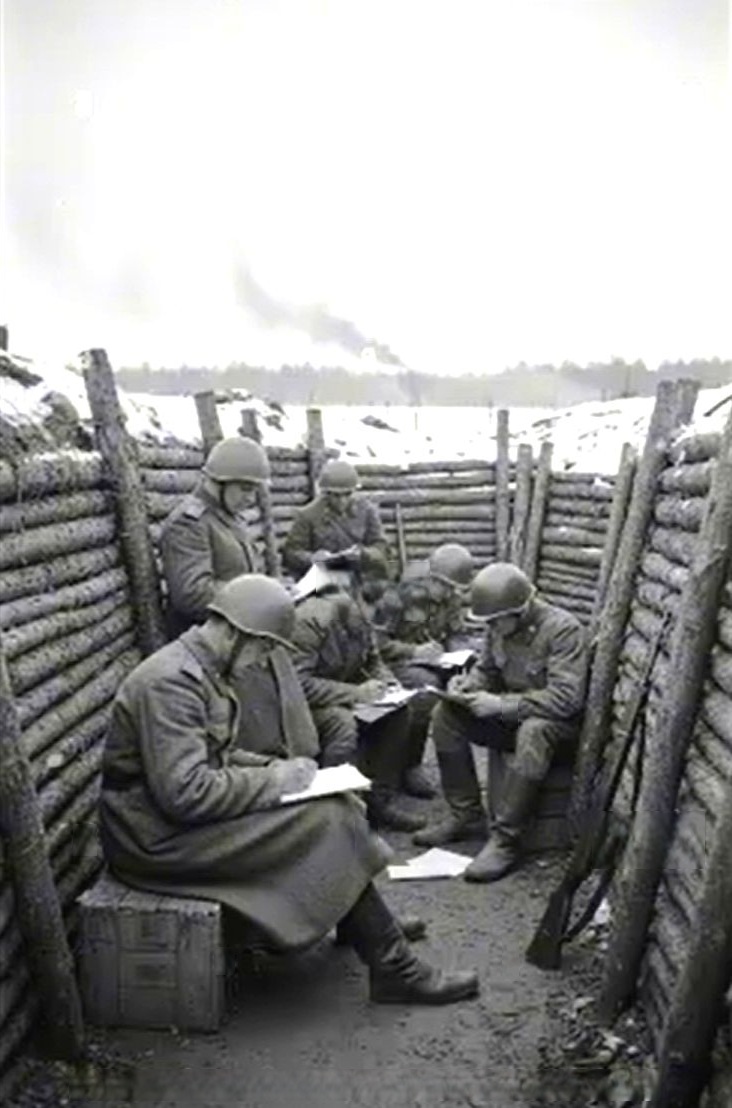
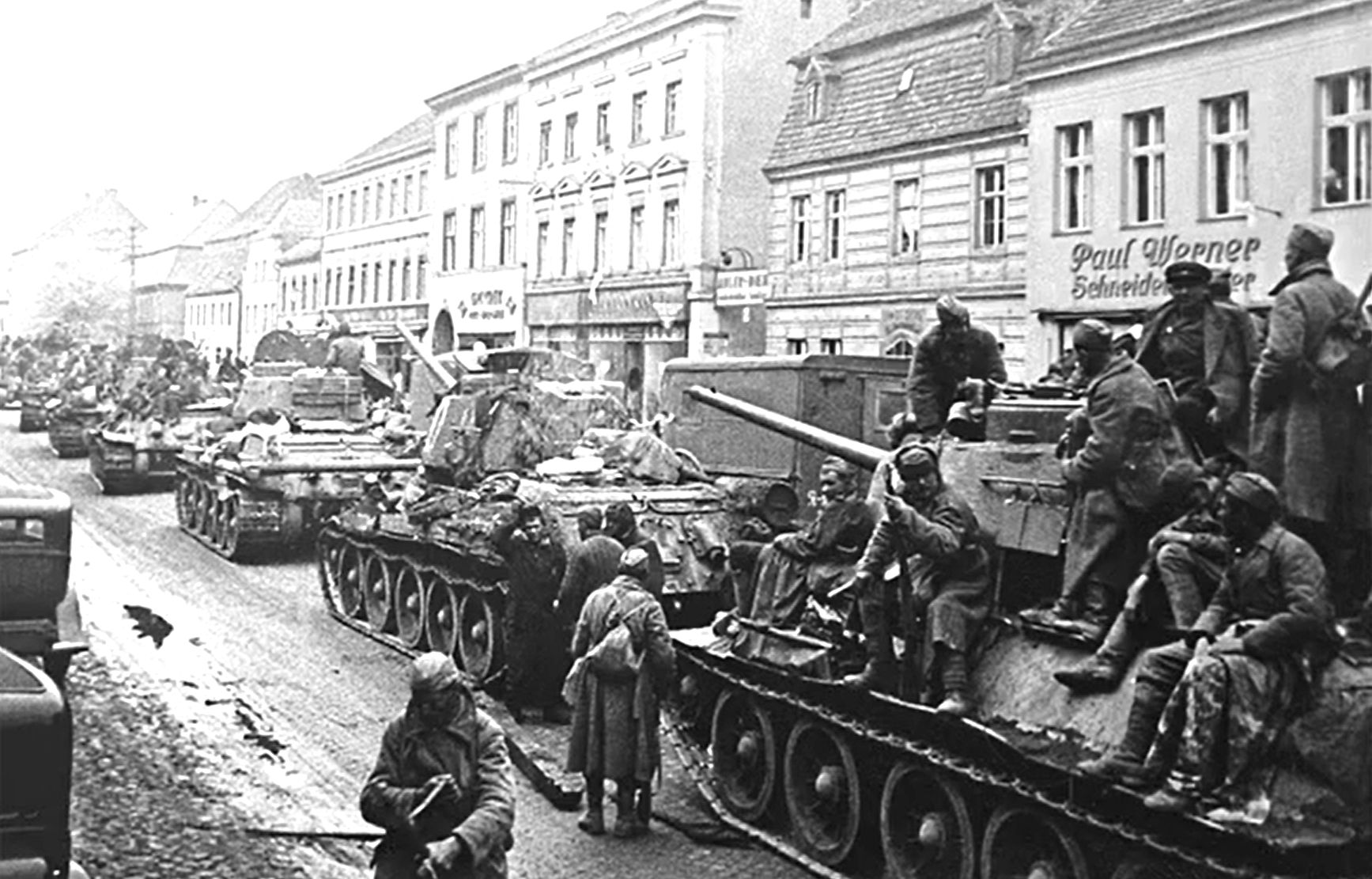
Prussia. Senior Sergeant Vladimir Gelfand stood at the German border
watching the first Soviet tanks cross into enemy territory. He had
fought since 1943, survived Kursk and the liberation of Ukraine,
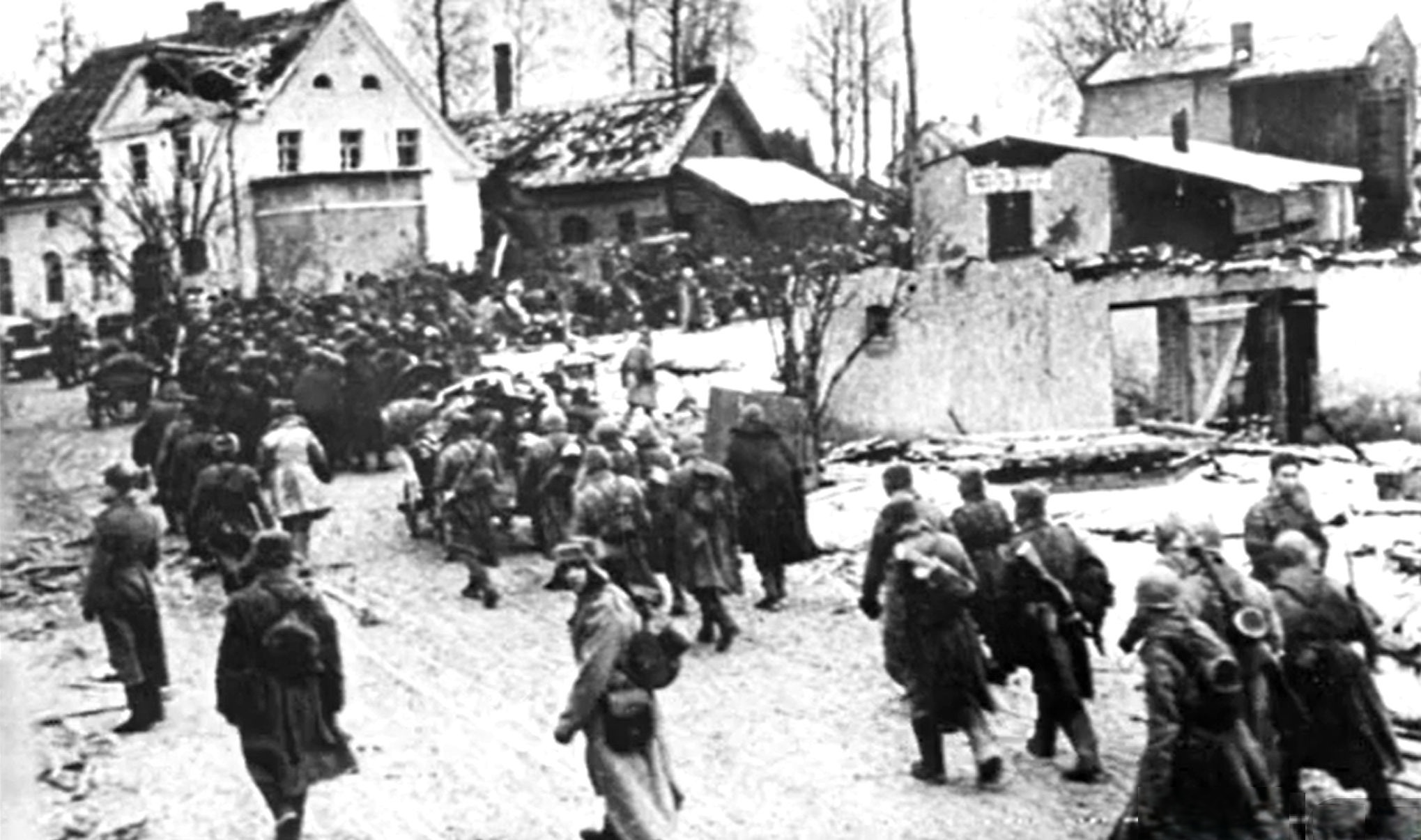
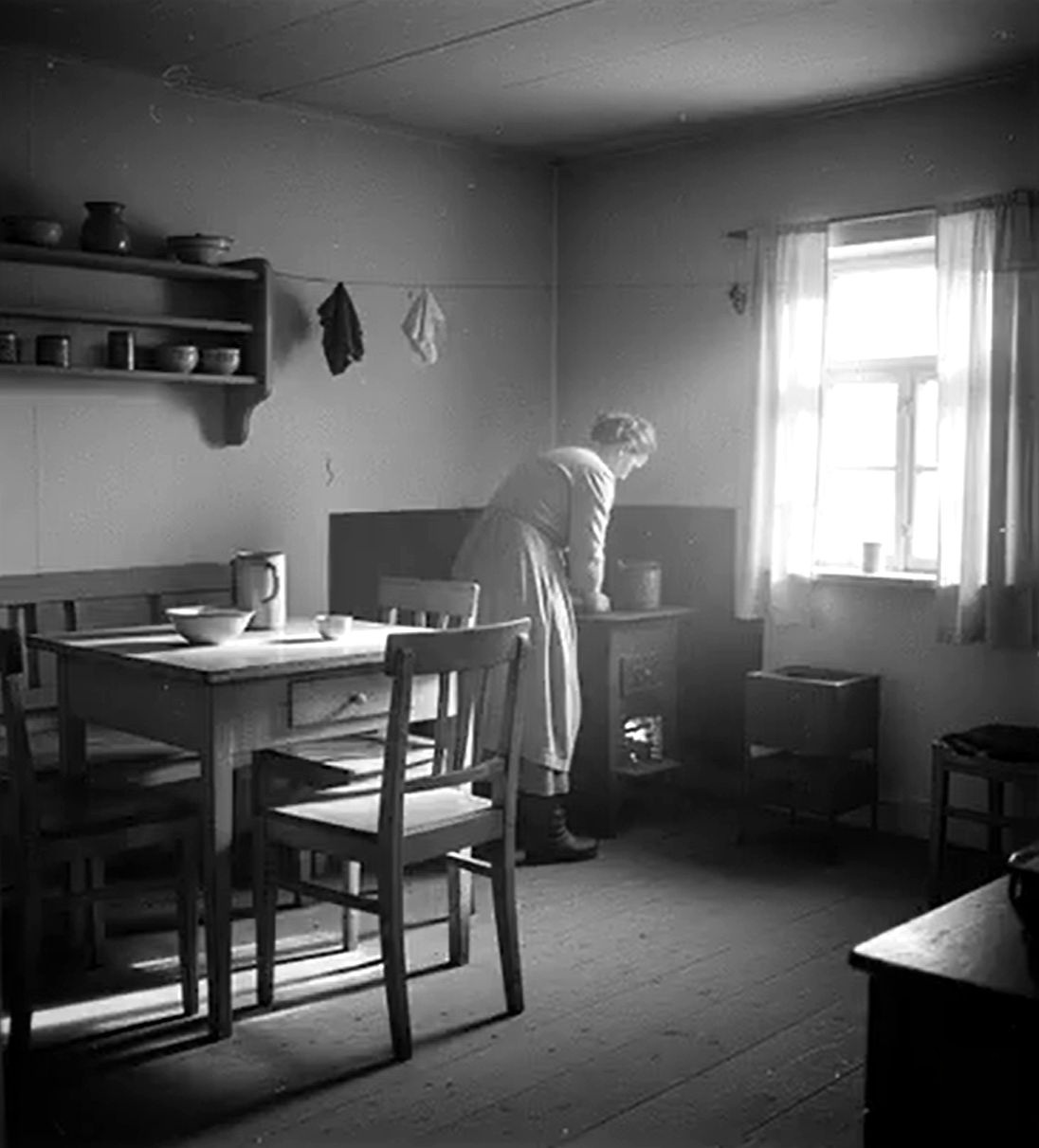
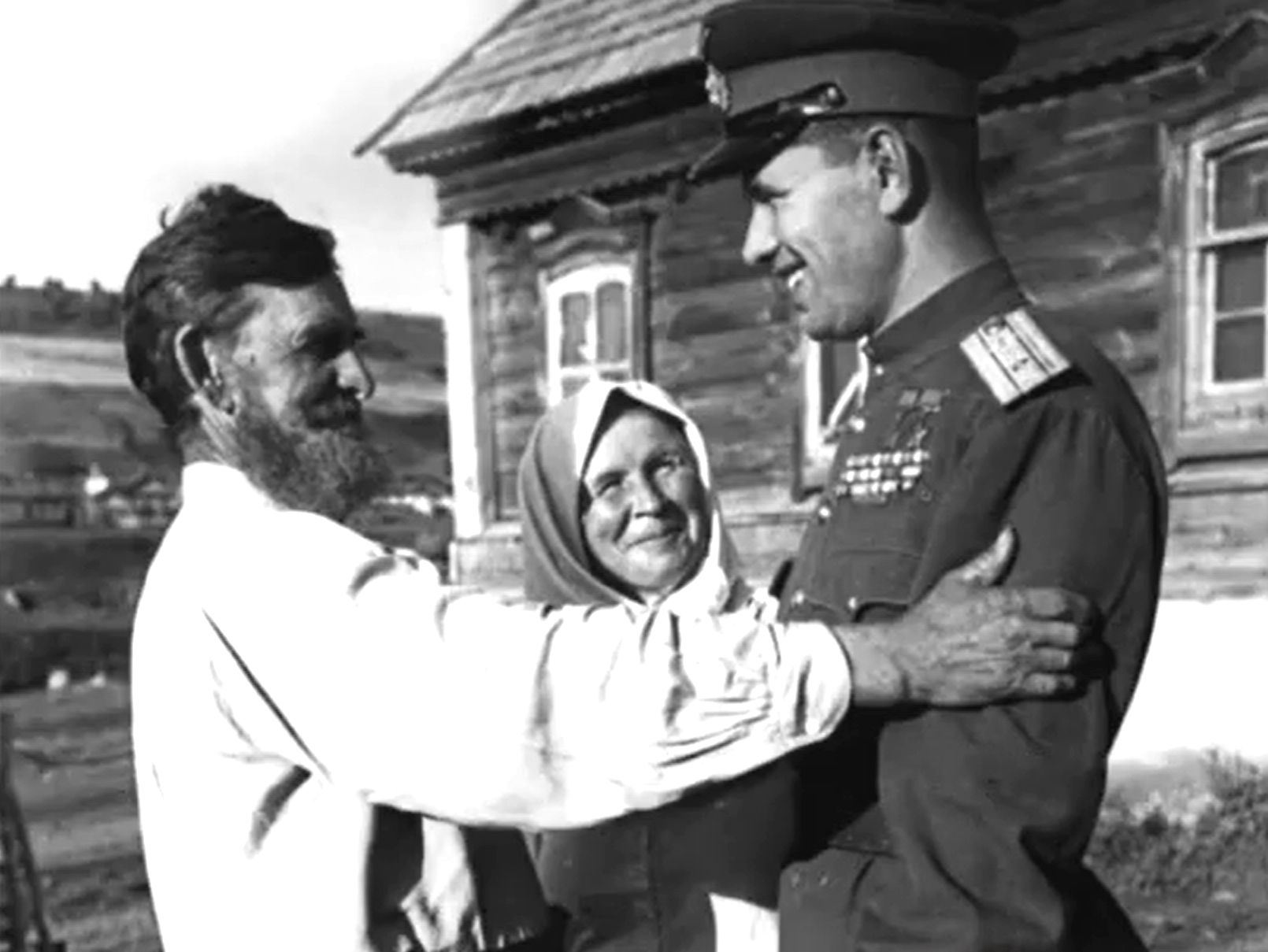
witnessed the devastation Germans had left behind. Now, finally, they were taking the war to Germany itself. Around him, soldiers cheered. Officers made speeches about revenge. Everyone understood this moment's significance. After three and a half years of brutal warfare, the Red Army was entering the Reich. Three days later, Gelfand walked through his first German village. The experience left him deeply unsettled, though not in ways he'd expected. He had anticipated finding a nation militarized, impoverished, suffering under Nazi rule, as Soviet propaganda claimed. What he found instead shocked him more than combat had. The houses had running water. The barns contained livestock, cows that produced more milk than he'd ever seen. The homes had furniture, real furniture, not the rough benches common in Russian villages. Even abandoned houses showed wealth beyond what most Soviet citizens possessed. That night, Gelfand wrote in his diary words that thousands of other Soviet soldiers were thinking but few would record. If they lived like this, why did they invade us? They had everything already. |
|||
 |
|||
| We have been told the
German workers were oppressed, that they lived in poverty under
fascism. But these villages, even the poor ones, are richer than
anything in Russia. What were they fighting for? The question would
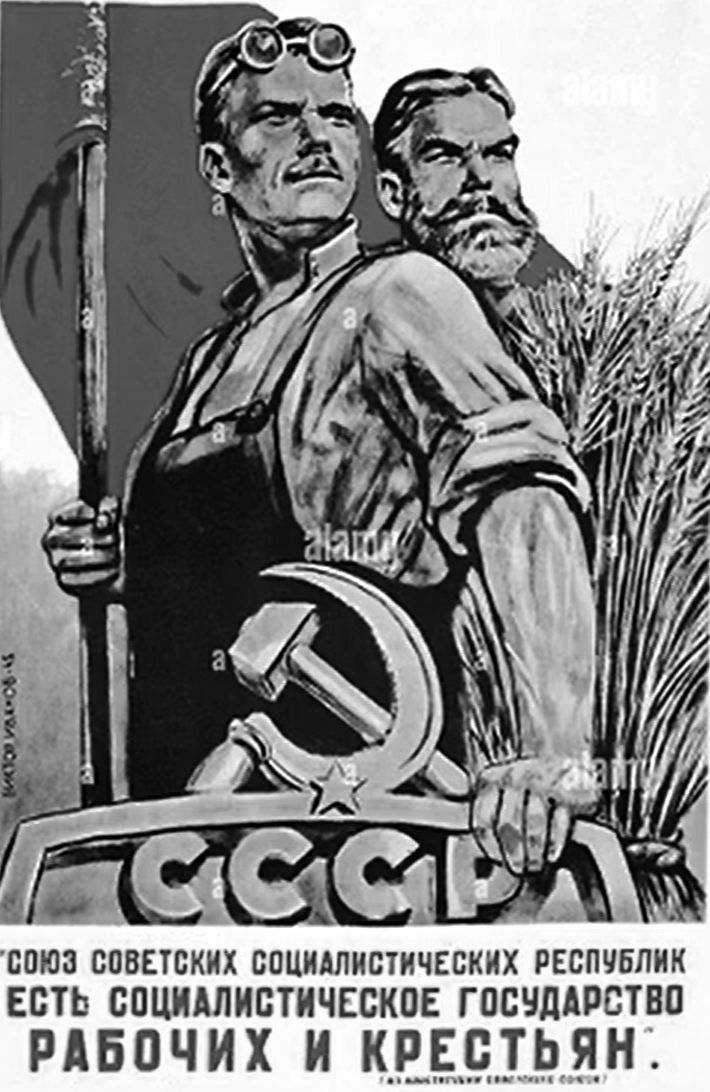
haunt Soviet soldiers throughout their advance into Germany. They had expected to find tyranny and poverty. Instead, they discovered a standard of living so far above Soviet conditions that it challenged everything they believed about their own society. The encounter with German material prosperity, even in a nation being destroyed by war, forced a reckoning that Soviet authorities tried desperately to suppress. This is the story of what Soviet soldiers found when they entered Germany, and how that discovery shattered illusions about socialist superiority and German suffering. The confrontation wasn't just military. It was ideological, psychological, and ultimately transformative for hundreds of thousands of Soviet troops whose assumptions about their own society couldn't survive contact with German reality. To understand Soviet soldiers' reaction to Germany, you must understand what they were coming from. The Soviet Union in 1945 had endured nearly four years of total war that devastated everything. Over 25 million Soviet citizens had died. Entire cities had been destroyed. Industrial regions had been occupied and stripped. Agricultural areas had been fought over, leaving fields cratered and unusable. |
|||
 |
|||
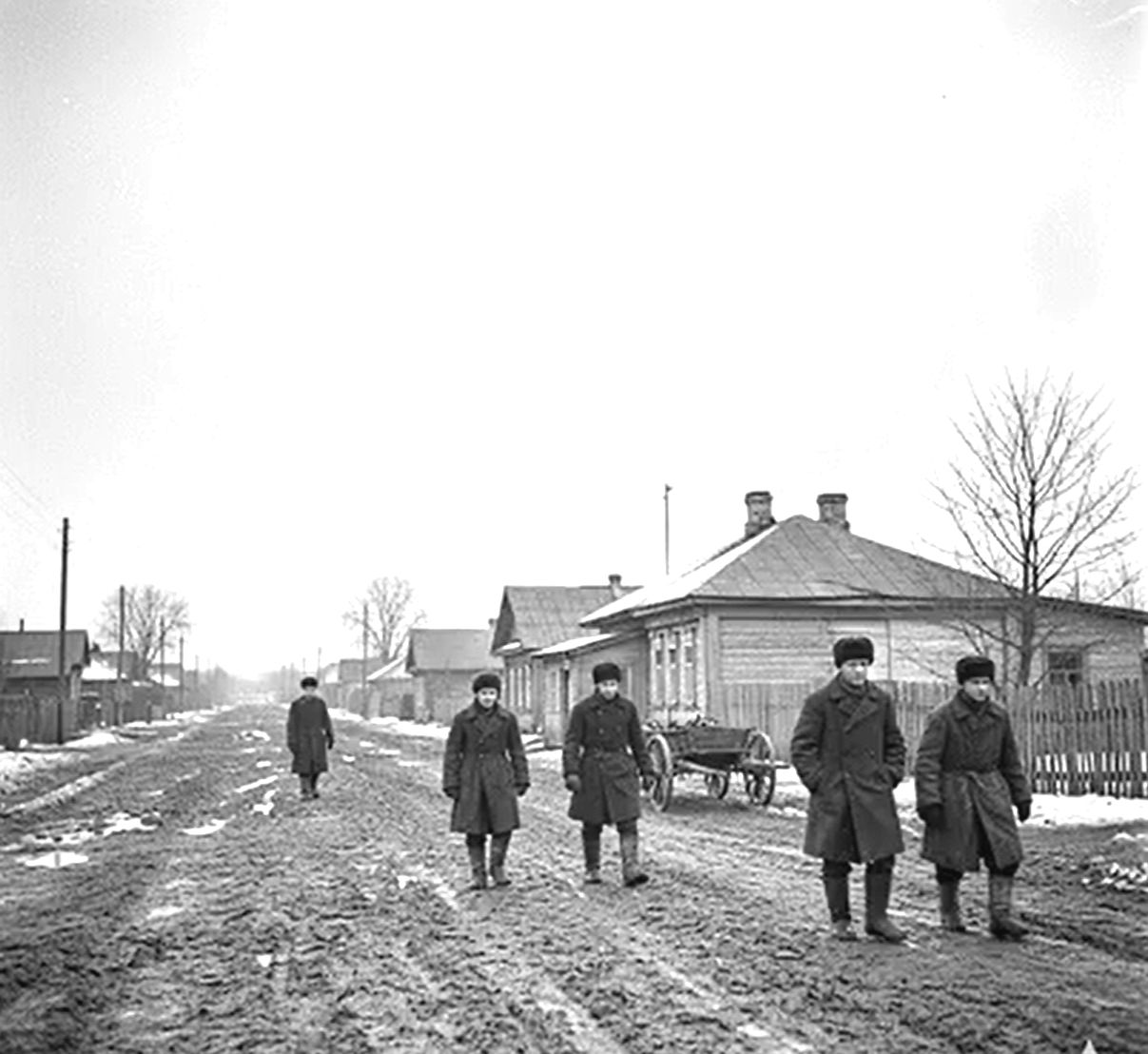
| The Soviet economy, never
prosperous even before the war, had been reduced to bare survival.
Soviet soldiers came primarily from rural areas where pre-war living
standards had been subsistence level. Most had grown up in villages
without electricity, running water, or paved roads. Housing was typically single-room log cabins shared by extended families. Livestock ownership was collective, with individual families having access to animals but not owning them. Consumer goods were scarce even in peacetime and had virtually disappeared during the war. The propaganda soldiers received emphasized several themes that shaped their expectations of Germany. First, that Germans were suffering under fascist oppression, living in poverty while their leaders prepared for war. Second, that Germans who invaded the Soviet Union were motivated by desperation, seeking living space because their own nation couldn't support them. Third, that Soviet socialism was superior to capitalism or fascism in providing for people's needs. And fourth, that the war was fundamentally about defending this superior Soviet system against fascist barbarism. These narratives made sense to soldiers who had grown up in the Soviet system and knew nothing else. They explained why Germans would invade. They were desperate and oppressed. They explained why Soviets should fight to defend their superior society. They provided moral framework where Soviets were defenders of progress against reactionary fascism. The propaganda wasn't questioned because soldiers had no alternative information. The reality of German occupation of Soviet territory reinforced some elements of this propaganda while complicating others. German forces had committed systematic atrocities across occupied regions. Villages had been burned. Civilians had been murdered. Soviet POWs had been starved in camps where mortality exceeded 50%. The brutality was real and had affected virtually every Soviet soldier personally. They fought with genuine hatred for an enemy who had destroyed their homeland. |
|||
 |
|||
| But the atrocities
created cognitive dissonance with the poverty narrative. If Germans
were desperate and impoverished, why did they waste resources on mass
murder? Why implement systematic policies of starvation and destruction
rather than simply occupying territory? The contradiction wasn't
obvious to most soldiers, but it existed beneath the surface, waiting
for some trigger to bring it into consciousness. The trigger was
crossing into Germany and seeing firsthand how Germans actually lived. The first encounters occurred in January 1945 as Soviet forces pushed into East Prussia. The region was technically German territory, though it had been separated from the Reich proper since World War I. It was also rural and had been somewhat isolated from central German industrialization. If anywhere in Germany should have shown poverty, East Prussia would have been it. What Soviet soldiers found instead astonished them. Lev Koplev, a Soviet officer and writer, described entering German villages. We were shocked by what we saw. Houses with multiple rooms, one family per house. This alone was unimaginable luxury to us. Furniture in every room, real beds with mattresses, kitchens with running water, indoor plumbing, barns with well-fed animals, orchards, gardens. These were supposedly poor German farmers, but they lived better than our collective farm chairman. The material disparity wasn't subtle. Things Soviet citizens considered luxuries available only to party elite were common in German working-class homes. Bicycles, which were rare in the Soviet Union, seemed universal in Germany. Sewing machines, radios, furniture, items most Soviet families couldn't afford, appeared in virtually every German home. Even abandoned houses contained possessions that would have represented wealth in Soviet terms. The agricultural comparison was particularly striking. Soviet soldiers, many from collective farms, understood agriculture intimately. German farms, even in war-ravaged East Prussia, showed productivity Soviet collective farms never achieved. The livestock were healthier. The tools were better maintained. The storage barns contained reserves that Soviet farms never accumulated. The infrastructure—roads, fencing, irrigation—was superior. Everything suggested German farmers produced more efficiently and lived far better than their Soviet counterparts. The questions this raised were dangerous from the Soviet perspective. |
|||
 |
|||
| If Germans lived so much
better than Soviets under capitalism and fascism, what did that say
about Soviet socialism? If the enemy's standard of living exceeded the
Soviet Union's, how could the Soviet system claim superiority? These
weren't abstract political questions. They were immediate, visceral
comparisons based on direct observation that contradicted decades of
propaganda. Vladimir Gelfand's diary captured the psychological
disruption. We have been told all our lives that we are building the most advanced society in the world, that Soviet workers live better than workers anywhere. That capitalism means poverty for everyone except a few capitalists. But here in Germany, even during wartime, even after bombing, the standard of living is obviously higher than in the Soviet Union. How can this be? The cognitive dissonance created different responses among different soldiers. Some rationalized the disparity by attributing German prosperity to exploitation of occupied territories. Germans were wealthy because they had plundered the rest of Europe—a narrative that had some truth but didn't fully explain pre-war German prosperity. Some decided that Germans must have suffered more than was visible, that the wealth was façade hiding oppression. Some simply stopped thinking about the contradiction, focusing on immediate military tasks rather than uncomfortable questions. But for many, particularly educated soldiers and officers, the encounter with German living standards was intellectually devastating. |
|||
 |
|||
| Everything they had
believed about Soviet superiority was challenged by obvious material
evidence. The propaganda that had sustained them couldn't survive
contact with German reality. The ideological certainty that had
justified war's sacrifices dissolved in recognition that they were
fighting to defend a system materially inferior to what they were
destroying. The revenge that Soviet forces took on Germany must be understood partially in this context. The atrocities—rape, murder, looting—had multiple causes. Hatred for German crimes in the Soviet Union was primary. Breakdown of military discipline as the war ended was significant. Alcohol consumption was endemic. But some of the violence also reflected rage at being deceived. Soviet soldiers who discovered they were materially worse off than the enemy, they were defeating felt betrayed by their own government's lies. The looting was particularly revealing. Soviet soldiers sent enormous quantities of goods back to the Soviet Union—bicycles, watches, sewing machines, furniture—anything portable that represented wealth unattainable at home. The scale of looting suggested it wasn't just opportunistic theft, but attempt to claim material goods that Soviet propaganda had promised but never delivered. Officers participated as enthusiastically as enlisted men, revealing that the desire for consumer goods transcended rank. Soviet authorities understood the danger. Orders were issued forbidding soldiers from writing home about German living standards. Censors were instructed to confiscate letters that mentioned the material disparity. Political officers were tasked with explaining away the contradictions, attributing German prosperity to temporary factors that would disappear with Nazi defeat. But controlling information among hundreds of thousands of soldiers spread across occupied Germany was impossible. The response from home complicated matters further. Soviet civilians receiving letters and packages from Germany were equally shocked by what soldiers described and sent. Families who had never seen certain consumer goods suddenly received them from relatives serving in Germany. The material gap between Soviet and German living standards became apparent to millions of Soviet citizens through the occupation, creating questions that authorities couldn't fully suppress. Alexander Solzhenitsyn, serving as artillery officer during the advance into Germany, later wrote about the psychological impact. For the politically aware among us, Germany was a revelation of our own misery. We saw that even in defeat, even after years of war, Germans lived better than we did in victory. This knowledge was suppressed, forbidden, but it couldn't be forgotten. |
|||
 |
|||
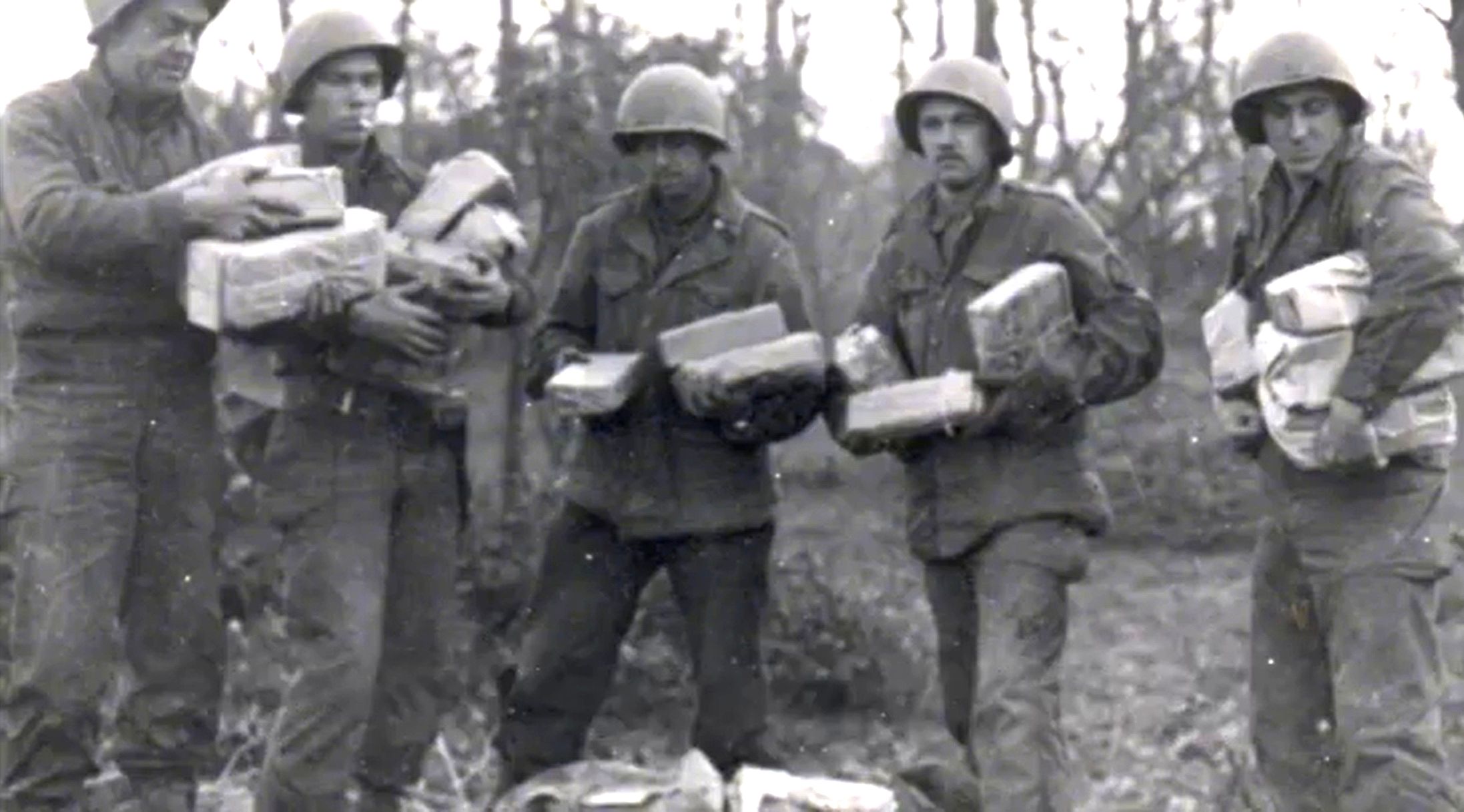
| We brought back not just
loot but understanding that we had been systematically lied to about
the outside world. The encounter wasn't just with material goods but
with infrastructure. Soviet soldiers saw paved roads in rural areas,
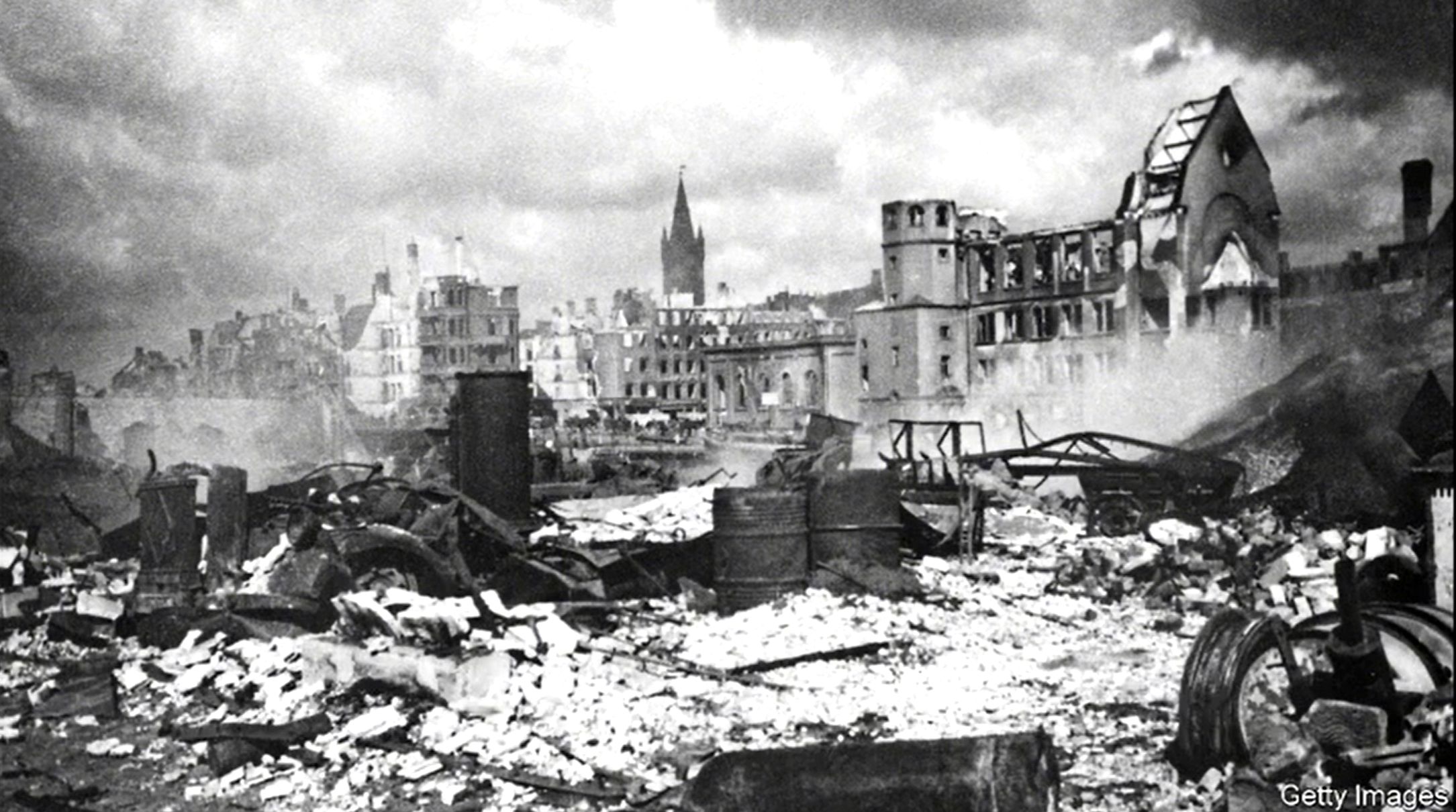
something rare in the Soviet Union. They saw railway systems more extensive than Soviet networks despite Germany being far smaller. They saw electrical grids that reached rural villages, while most Soviet villages lacked electricity. The infrastructure gap revealed developmental disparities that couldn't be explained by Nazi exploitation or war preparation. The urban experience was even more dramatic. When Soviet forces reached major German cities, Konigsberg, Danzig, later Berlin, soldiers encountered urban development beyond their experience. Buildings with elevators, underground railways, street lighting, sewage systems, parks, public amenities, even bombed out German cities showed evidence of prosperity and organization that Soviet cities couldn't match. The comparison was devastating to narratives of Soviet superiority. German POWs complicated the narrative further. Soviet propaganda had portrayed German soldiers as fanatical Nazis who believed in racial superiority and worshipped Hitler. Many German prisoners turned out to be ordinary men conscripted into military service who expressed relief at capture and had little enthusiasm for Nazi ideology. They weren't the monsters propaganda depicted, but rather people uncomfortably similar to Soviet soldiers themselves, except better equipped and from more prosperous backgrounds. The female Soviet soldiers and medics who entered Germany faced particular psychological burden. Soviet propaganda had emphasized women's emancipation under socialism as proof of Soviet superiority, but German women, even in war-ravaged conditions, often appeared healthier, better dressed, and better housed than their Soviet counterparts. The supposed advantages of Soviet women's liberation seemed questionable when German women in a fascist society had enjoyed higher material standards. The educational disparity was noted by some observers. |
|||
 |
|||
| German civilians, even
working class, typically had completed more years of schooling than
Soviet equivalents. Literacy rates were higher. Technical skills were
more widespread. This suggested that Nazi Germany, despite propaganda about fascist oppression, had developed human capital more effectively than Soviet socialism. For ideologically committed Soviet soldiers, this was another uncomfortable reality. The mechanization gap was impossible to ignore. German farms, despite wartime losses of tractors and machinery, showed evidence of mechanization far beyond Soviet agriculture. German industry, even in ruins, revealed technological sophistication exceeding Soviet capabilities. The equipment captured from German forces was often superior to Soviet equivalents. The technological backwardness of the Soviet Union relative to Germany became apparent through direct comparison. Some soldiers responded to these discoveries by doubling down on ideology. They attributed everything to German theft from occupied territories, Nazi exploitation of workers, or temporary advantages that would disappear. They rejected evidence conflicting with propaganda through selective perception that preserved their worldview. For these soldiers, the encounter with Germany reinforced hatred without challenging beliefs, but they were probably the minority. More common was selective acknowledgement. Soldiers admitted Germans lived better materially, but attributed this to factors that didn't challenge Soviet legitimacy. Germans were better off because they hadn't suffered revolution and civil war, or because they had industrialized earlier, or because they exploited colonies. These explanations allowed soldiers to recognize reality while maintaining belief in Soviet systems' ultimate superiority. |
|||
 |
|||
| It was cognitive
compromise that preserved psychological stability. But for some, the
encounter was radically transformative. They recognized that Soviet
propaganda had systematically lied about the outside world. If the lies about German poverty were false, what else was false? These soldiers returned to the Soviet Union with questions they couldn't ask publicly, but couldn't ignore privately. They became nuclei of dissent, quietly skeptical of propaganda, privately critical of the system. Some would become dissidents in later years. The Soviet government's response was to suppress discussion of German living standards while accelerating looting. Official policy encouraged soldiers to send home goods from Germany, both to reward service and to prevent soldiers from keeping evidence of German prosperity. The massive transfer of equipment, goods, and reparations from Germany to the Soviet Union was partly economic recovery, but also partly an attempt to satisfy Soviet population's material desires without reforming the economic system. The dismantling of German industry and its transport to the Soviet Union served multiple purposes. It weakened Germany, compensated for Soviet losses, and provided Soviet citizens with material goods that the Soviet economy hadn't produced. Entire factories were disassembled and shipped east. Railways were torn up for scrap. Housing was stripped of fixtures and materials. The looting was systematic and massive, reaching scale, that suggested Soviet authorities understood how desperate Soviet material situation had become. The longer Soviet forces remained in Germany, the more uncomfortable the comparisons became. Occupation troops stationed in East Germany lived better than they had in the Soviet Union, even in occupation conditions. They had access to goods unavailable at home. Their families received packages that elevated their living standards. The disparity created resentment among troops, rotated home, and incentivized soldiers to extend occupation service. The problem was significant enough that authorities eventually limited occupation tour lengths. The fate of German civilians under Soviet occupation must be understood partially as response to the prosperity Soviet soldiers discovered. The looting, the factory dismantlement, the systematic stripping of resources reflected not just revenge for German crimes, but also desire to claim material goods that Soviet citizens lacked. The brutality had many causes, but material envy was certainly one of them. |
|||
 |
|||
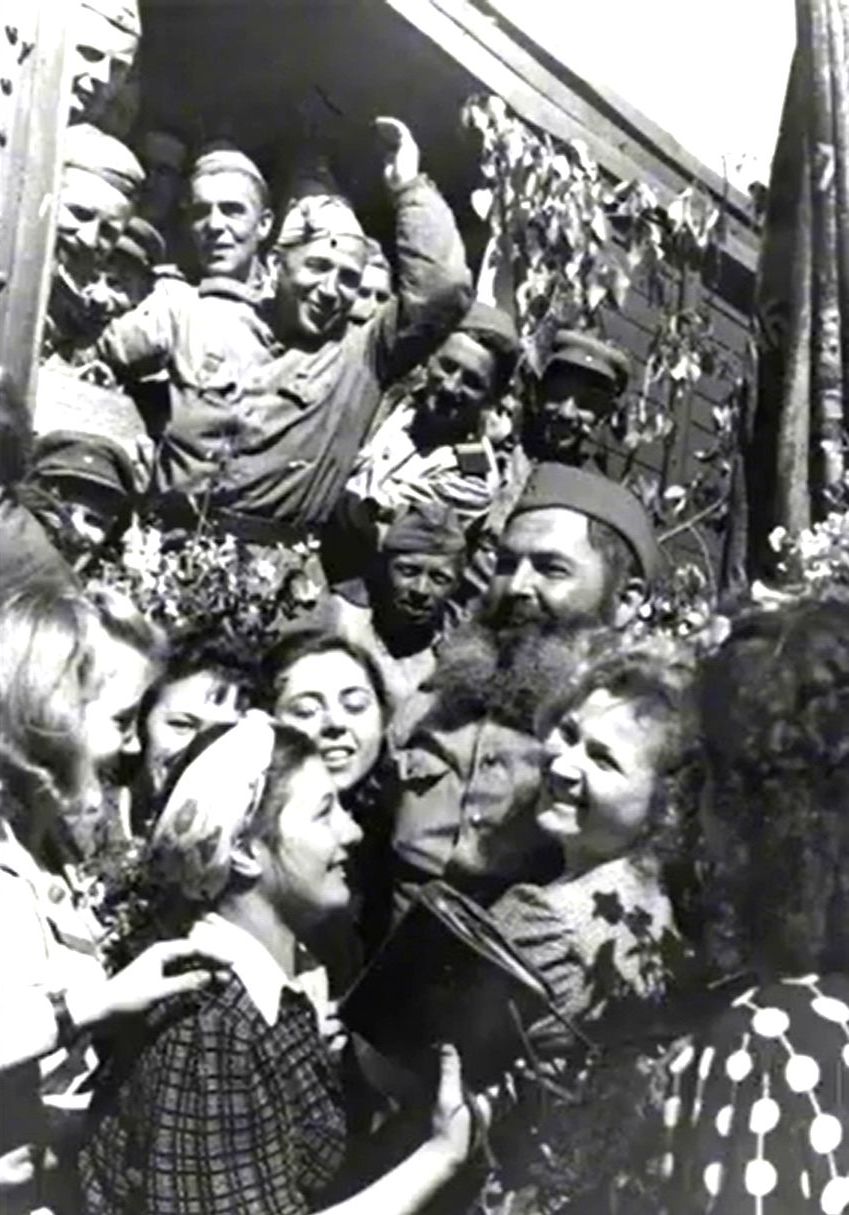
| Soviet soldiers took from
Germans what Soviet system hadn't provided them. The long-term impact
on Soviet society was subtle but real. Hundreds of thousands of Soviet
soldiers returned home having seen that the outside world, even enemy
fascist nation in defeat, lived better than they did in victory. This knowledge couldn't be eliminated through censorship or propaganda. It existed in private conversations, family stories, personal memories. It created population segment that understood Soviet propaganda was false because they had seen alternatives directly. This contributed to the gradual loss of ideological certainty that would eventually undermine Soviet system. The generation that fought in World War II and saw Germany couldn't believe propaganda as uncritically as previous generations. They passed skepticism to their children who passed it to their children. The encounter with German prosperity planted seeds of doubt that would germinate over decades, contributing to eventual Soviet collapse when younger generations rejected the system their grandparents had fought to defend. For individual soldiers, processing the experience varied. Vladimir Gelfand, whose diary documented his discoveries in Germany, returned to the Soviet Union and lived quietly, never publishing his observations during his lifetime. His diary was only published decades after his death, revealing thoughts he couldn't express publicly. Lev Koplev, the officer who described German prosperity, became dissident and was eventually expelled from the Soviet Union. Alexander Solzhenitsyn spent years in the Gulag, partly for letters critical of Soviet system written during the German campaign. |
|||
 |
|||
| The pattern was clear.
Honest discussion of what Soviet soldiers found in Germany was
dangerous. The disparity between propaganda and reality had to be
suppressed because acknowledging it would undermine the entire
ideological foundation of Soviet system. If Germans under fascism lived better than Soviets under socialism, what justified Soviet system's existence? The question couldn't be allowed, so the observations that prompted it had to be silenced. But silencing was incomplete. Too many soldiers had seen Germany. Too many families had received letters and packages. Too many people knew the truth for suppression to be total. The knowledge persisted beneath surface of official propaganda, creating cognitive dissonance that affected Soviet society for generations. The encounter with German prosperity was suppressed but not forgotten, and it contributed to gradual erosion of belief in Soviet superiority that would eventually prove fatal to the system. The story of Soviet soldiers entering Germany is typically told as story of revenge and atrocities. Those elements were real and devastating. But underneath was another story, equally important. The discovery by Soviet soldiers that their enemy lived better than they did, that their society's claims of superiority were false, and that they had sacrificed enormously to defend a system that couldn't provide material prosperity comparable to the fascist enemy they had defeated. This discovery challenged everything they had believed and forced reckoning with uncomfortable truths about their own society. |
|||
 |
|||
| When Senior Sergeant
Vladimir Gelfand stood at the German border in January 1945, he
expected to find oppression and poverty. What he found instead was
prosperity that exposed Soviet backwardness and propaganda's falseness.
The discovery changed him, as it changed hundreds of thousands of other
Soviet soldiers. They had won the war militarily, but lost the ideological certainty that had sustained them through it. The victory was complete on the battlefield, but hollow in its confrontation with the reality that Soviet system was materially inferior to what it had defeated. That uncomfortable truth would haunt Soviet society until the system finally collapsed decades later. |
|||
| Transkribiert von TurboScribe.ai |
© Historical Frontlines
|
|||
| October 25, 2025 | |||
|
|||
| В
1945 году, когда Красная армия вторглась в Германию, советские солдаты
ожидали увидеть страну, погруженную в нищету и разруху. Вместо этого
они обнаружили уровень жизни, намного превосходивший все, что они
знали. Их столкновение с немецким процветанием разрушило десятилетия
советской пропаганды и обнажило глубокую правду о жизни в СССР. В этом
видео исследуются дневники, свидетельства и скрытые реакции солдат,
таких как Владимир Гельфанд — людей, которые поняли, что даже в
поражении Германия жила лучше, чем Советский Союз в победе. |
|||
|
|||
| Январь 1945 года, Восточная
Пруссия. Старший сержант Владимир Гельфанд стоял на немецкой границе и
наблюдал, как первые советские танки пересекают границу вражеской
территории. Он сражался с 1943 года, пережил Курскую битву и
освобождение Украины, был свидетелем разрушений, оставленных немцами. Теперь, наконец, они перенесли войну на саму Германию. Вокруг него солдаты ликовали. Офицеры произносили речи о мести. Все понимали значение этого момента. После трех с половиной лет жестокой войны Красная армия вступала в Рейх. Три дня спустя Гельфанд прошел через свою первую немецкую деревню. Этот опыт глубоко потряс его, хотя и не так, как он ожидал. Он предполагал, что найдет милитаризованную, обедневшую нацию, страдающую под властью нацистов, как утверждала советская пропаганда. То, что он обнаружил, потрясло его больше, чем боевые действия. В домах была водопроводная вода. В сараях содержался скот, коровы, дававшие больше молока, чем он когда-либо видел. В домах была мебель, настоящая мебель, а не грубые скамейки, распространенные в русских деревнях. Даже заброшенные дома демонстрировали богатство, превосходящее то, что имели большинство советских граждан. В ту ночь Гельфанд написал в своем дневнике слова, которые думали тысячи других советских солдат, но которые немногие записывали. Если они жили так, почему они вторглись к нам? У них ведь было все. |
|||
|
|||
| Нам говорили, что немецкие
рабочие были угнетены, что они жили в бедности при фашизме. Но их
деревни, даже бедные, богаче, чем что-либо в России. За что они
боролись? Этот вопрос преследовал советских солдат на протяжении всего
их наступления на Германию. Они ожидали увидеть тиранию и бедность. Вместо этого они обнаружили уровень жизни, настолько превосходящий советские условия, что это поставило под сомнение все, во что они верили о своем собственном обществе. Столкновение с материальным процветанием Германии, даже в стране, разрушенной войной, заставило советские власти отчаянно пытаться подавить это осознание. Это история о том, что обнаружили советские солдаты, когда вошли в Германию, и о том, как это открытие разрушило иллюзии о превосходстве социализма и страданиях немцев. Столкновение было не только военным. Оно было идеологическим, психологическим и, в конечном итоге, преобразующим для сотен тысяч советских солдат, чьи представления о собственном обществе не выдержали столкновения с немецкой реальностью. Чтобы понять реакцию советских солдат на Германию, нужно понять, откуда они пришли. Советский Союз в 1945 году пережил почти четыре года тотальной войны, которая разрушила все. Погибло более 25 миллионов советских граждан. Были разрушены целые города. Промышленные регионы были оккупированы и ограблены. За сельскохозяйственные районы велись бои, в результате чего поля были изрыты кратерами воронок и стали непригодными для использования. |
|||
|
|||
| Советская экономика, которая и
до войны не была процветающей, была сведена к простому выживанию.
Советские солдаты в основном были выходцами из сельских районов, где до
войны уровень жизни был на уровне прожиточного минимума. Большинство из
них выросли в деревнях без электричества, водопровода и
асфальтированных дорог. Жильем обычно служили однокомнатные бревенчатые хижины, в которых проживали большие семьи. Скот принадлежал коллективу, и отдельные семьи имели доступ к животным, но не владели ими. Потребительские товары были дефицитом даже в мирное время и практически исчезли во время войны. Пропаганда, которой подвергались солдаты, подчеркивала несколько тем, которые формировали их ожидания в отношении Германии. Во-первых, что немцы страдали от фашистского гнета, жили в бедности, в то время как их лидеры готовились к войне. Во-вторых, что немцы, вторгшиеся в Советский Союз, были движимы отчаянием, искали жизненное пространство, потому что их собственная страна не могла их прокормить. В-третьих, советский социализм превосходил капитализм или фашизм в обеспечении потребностей людей. И в-четвертых, война была в основном направлена на защиту этой превосходной советской системы от фашистского варварства. Эти нарративы имели смысл для солдат, которые выросли в советской системе и не знали ничего другого. Они объясняли, почему немцы вторглись. Они были отчаянными и угнетенными. Они объясняли, почему советские люди должны были сражаться, чтобы защитить свое превосходное общество. Они создавали моральные рамки, в которых Советский Союз выступал защитником прогресса против реакционного фашизма. Пропаганда не подвергалась сомнению, поскольку у солдат не было альтернативной информации. Реальность немецкой оккупации советской территории усиливала некоторые элементы этой пропаганды, а другие усложняла. Немецкие войска совершали систематические зверства на оккупированных территориях. Деревни были сожжены. Гражданские лица были убиты. Советские военнопленные голодали в лагерях, где смертность превышала 50%. Жестокость была реальной и затронула практически каждого советского солдата лично. Они сражались с искренней ненавистью к врагу, который разрушил их родину. |
|||
|
|||
| Но эти зверства создавали
когнитивный диссонанс с рассказом о бедности. Если немцы были
отчаянными и обедненными, почему они тратили ресурсы на массовые
убийства? Почему они проводили систематическую политику голода и
разрушений, а не просто оккупировали территорию? Это противоречие не
было очевидным для большинства солдат, но оно существовало под
поверхностью, ожидая какого-то триггера, который вызвал бы его в
сознании. Триггером стало вторжение в Германию и возможность увидеть
собственными глазами, как на самом деле жили немцы. Первые встречи произошли в январе 1945 года, когда советские войска вторглись в Восточную Пруссию. Технически этот регион был немецкой территорией, хотя с Первой мировой войны он был отделен от собственно Рейха. Кроме того, это была сельская местность, в некоторой степени изолированная от центральной индустриализации Германии. Если где-то в Германии и должна была быть бедность, то это была Восточная Пруссия. Но то, что увидели советские солдаты, поразило их. Советский офицер и писатель Лев Коплев описал вход в немецкие деревни. Мы были потрясены тем, что увидели. Дома с несколькими комнатами, по одной семье в каждом доме. Одно это было для нас невообразимой роскошью. Мебель в каждой комнате, настоящие кровати с матрасами, кухни с водопроводом, канализация, сараи с упитанными животными, фруктовые сады, огороды. Это были якобы бедные немецкие фермеры, но они жили лучше, чем наш председатель колхоза. Материальное неравенство было очевидным. Вещи, которые советские граждане считали роскошью, доступной только партийной элите, были обычным явлением в немецких рабочих семьях. Велосипеды, которые были редкостью в Советском Союзе, в Германии казались повсеместными. Швейные машины, радиоприемники, мебель — вещи, которые были недоступны большинству советских семей, — были практически в каждом немецком доме. Даже в заброшенных домах можно было найти вещи, которые по советским меркам считались бы богатством. Особенно поразительно было сравнение в области сельского хозяйства. Советские солдаты, многие из которых были выходцами из колхозов, хорошо разбирались в сельском хозяйстве. Немецкие фермы, даже в разрушенной войной Восточной Пруссии, демонстрировали производительность, недостижимую для советских колхозов. Скот был более здоровым. Инструменты были в лучшем состоянии. В амбарах хранились запасы, которые советские фермы никогда не накапливали. Инфраструктура — дороги, ограждения, ирригация — была лучше. Все указывало на то, что немецкие фермеры производили более эффективно и жили гораздо лучше, чем их советские коллеги. Вопросы, которые это вызывало, были опасны с советской точки зрения. |
|||
|
|||
| Если немцы жили намного лучше,
чем советские граждане, при капитализме и фашизме, что это говорило о
советском социализме? Если уровень жизни врага превосходил уровень
жизни Советского Союза, как советская система могла претендовать на
превосходство? Это не были абстрактные политические вопросы. Это были
непосредственные, интуитивные сравнения, основанные на прямых
наблюдениях, которые противоречили десятилетиям пропаганды. Дневник
Владимира Гельфанда запечатлел психологический разлад. Всю жизнь нам говорили, что мы строим самое передовое общество в мире, что советские рабочие живут лучше, чем рабочие в любой другой стране. Что капитализм означает бедность для всех, кроме нескольких капиталистов. Но здесь, в Германии, даже во время войны, даже после бомбардировок, уровень жизни явно выше, чем в Советском Союзе. Как это возможно? Когнитивный диссонанс вызвал разные реакции у разных солдат. Некоторые объясняли это различие тем, что процветание Германии было связано с эксплуатацией оккупированных территорий. Немцы были богаты, потому что грабили остальную Европу — в этой версии была доля правды, но она не полностью объясняла довоенное процветание Германии. Некоторые решили, что немцы, должно быть, страдали больше, чем было видно, что богатство было фасадом, скрывающим угнетение. Некоторые просто перестали думать об этом противоречии, сосредоточившись на неотложных военных задачах, а не на неудобных вопросах. Но для многих, особенно для образованных солдат и офицеров, знакомство с уровнем жизни в Германии было интеллектуально разрушительным. |
|||
|
|||
| Все, во что они верили о
превосходстве Советского Союза, было опровергнуто очевидными
материальными доказательствами. Пропаганда, которая поддерживала их, не
выдержала столкновения с немецкой реальностью. Идеологическая
уверенность, которая оправдывала жертвы войны, растаяла при осознании
того, что они сражались за защиту системы, материально уступавшей той,
которую они уничтожали. Месть, которую советские войска оказали Германии, следует частично понимать в этом контексте. Зверства — изнасилования, убийства, грабежи — имели множество причин. Основной из них была ненависть к преступлениям немцев в Советском Союзе. Значительную роль сыграл развал военной дисциплины по окончании войны. Употребление алкоголя было повсеместным явлением. Но часть насилия также отражала ярость от того, что их обманули. Советские солдаты, обнаружившие, что они материально хуже, чем враг, которого они побеждали, чувствовали себя преданными ложью собственного правительства. Особенно показательным было мародерство. Советские солдаты отправляли в Советский Союз огромные количества товаров — велосипеды, часы, швейные машины, мебель — все, что можно было унести и что представляло собой недостижимое в их стране богатство. Масштабы мародерства свидетельствовали о том, что это было не просто воровство по случаю, а попытка заполучить материальные блага, которые обещала советская пропаганда, но так и не предоставила. Офицеры участвовали в этом с таким же энтузиазмом, как и солдаты, что свидетельствовало о том, что стремление к потребительским товарам не знало рангов. Советские власти понимали опасность. Были изданы приказы, запрещающие солдатам писать домой о немецком уровне жизни. Цензорам было поручено конфисковывать письма, в которых упоминалось материальное неравенство. Политическим работникам было поручено объяснять противоречия, приписывая немецкое процветание временным факторам, которые исчезнут с поражением нацистов. Но контролировать информацию среди сотен тысяч солдат, разбросанных по оккупированной Германии, было невозможно. Реакция из дома еще больше усложнила ситуацию. Советские гражданские лица, получавшие письма и посылки из Германии, были не менее потрясены тем, что описывали и присылали солдаты. Семьи, которые никогда не видели определенных потребительских товаров, внезапно получили их от родственников, служивших в Германии. Материальный разрыв между советским и немецким уровнем жизни стал очевиден для миллионов советских граждан благодаря оккупации, что породило вопросы, которые власти не могли полностью подавить. Александр Солженицын, служивший артиллерийским офицером во время наступления на Германию, позже написал о психологическом воздействии. Для политически сознательных из нас Германия стала откровением нашего собственного несчастья. Мы видели, что даже в поражении, даже после многих лет войны, немцы жили лучше, чем мы в победе. Это знание подавлялось, запрещалось, но его нельзя было забыть. |
|||
|
|||
| Мы привезли с собой не только
добычу, но и понимание того, что нас систематически обманывали насчет
внешнего мира. Мы столкнулись не только с материальными благами, но и с
инфраструктурой. Советские солдаты увидели асфальтированные дороги в
сельской местности, что было редкостью в Советском Союзе. Они увидели железнодорожную сеть, более разветвленную, чем советская, несмотря на то, что Германия была гораздо меньше по площади. Они увидели электрические сети, доходившие до сельских деревень, в то время как в большинстве советских деревень не было электричества. Разрыв в инфраструктуре свидетельствовал о различиях в уровне развития, которые нельзя было объяснить эксплуатацией нацистами или подготовкой к войне. Опыт в городах был еще более драматичным. Когда советские войска достигли крупных немецких городов — Кенигсберга, Данцига, а затем Берлина — солдаты столкнулись с уровнем городского развития, превосходящим их опыт. Здания с лифтами, подземные железные дороги, уличное освещение, канализационные системы, парки, общественные удобства — даже разбомбленные немецкие города демонстрировали процветание и организованность, с которыми советские города не могли сравниться. Это сравнение было разрушительным для нарративов о советском превосходстве. Немецкие военнопленные еще больше усложнили ситуацию. Советская пропаганда изображала немецких солдат как фанатичных нацистов, верящих в расовое превосходство и поклоняющихся Гитлеру. Многие немецкие пленные оказались обычными мужчинами, призванными на военную службу, которые выразили облегчение в связи с пленением и не проявляли особого энтузиазма по поводу нацистской идеологии. Они не были монстрами, как их изображала пропаганда, а скорее людьми, неудобно похожими на самих советских солдат, за исключением того, что они были лучше вооружены и происходили из более благополучных слоев общества. Советские женщины-солдаты и медики, вошедшие в Германию, столкнулись с особой психологической нагрузкой Советская пропаганда подчеркивала эмансипацию женщин при социализме как доказательство превосходства Советского Союза, но немецкие женщины, даже в условиях, разрушенных войной, часто выглядели здоровее, были лучше одеты и жили в лучших условиях, чем их советские сверстницы. Предполагаемые преимущества освобождения советских женщин казались сомнительными, когда немецкие женщины в фашистском обществе пользовались более высоким материальным уровнем. Некоторые наблюдатели отмечали разницу в уровне образования. |
|||
|
|||
| Немецкие гражданские лица, даже
из рабочего класса, как правило, имели больше лет обучения в школе, чем
их советские сверстники. Уровень грамотности был выше. Технические
навыки были более распространены. Это свидетельствовало о том, что нацистская Германия, несмотря на пропаганду о фашистском угнетении, более эффективно развивала человеческий капитал, чем советский социализм. Для идеологически преданных советских солдат это было еще одной неприятной реальностью. Разрыв в механизации было невозможно игнорировать. Немецкие фермы, несмотря на потери тракторов и техники в ходе войны, демонстрировали уровень механизации, значительно превосходящий советское сельское хозяйство. Немецкая промышленность, даже в руинах, демонстрировала технологическую продвинутость, превосходящую советские возможности. Оборудование, захваченное у немецких войск, часто превосходило советские аналоги. Технологическая отсталость Советского Союза по сравнению с Германией становилась очевидной при прямом сравнении. Некоторые солдаты отреагировали на эти открытия удвоенной идеологической убежденностью. Они объясняли все это кражей Германией из оккупированных территорий, эксплуатацией рабочих нацистами или временными преимуществами, которые исчезнут. Они отвергали факты, противоречащие пропаганде, благодаря избирательному восприятию, которое сохраняло их мировоззрение. Для этих солдат встреча с Германией усилила ненависть, не подвергая сомнению их убеждения, но они, вероятно, были в меньшинстве. Более распространенным было избирательное признание. Солдаты признавали, что немцы жили лучше в материальном плане, но объясняли это факторами, которые не ставили под сомнение легитимность советской власти. Немцы жили лучше, потому что не пережили революцию и гражданскую войну, или потому что раньше прошли индустриализацию, или потому что эксплуатировали колонии. Эти объяснения позволяли солдатам признавать реальность, сохраняя при этом веру в окончательное превосходство советской системы. |
|||
|
|||
| Именно когнитивный компромисс
сохранил психологическую стабильность. Но для некоторых эта встреча
стала радикальным преобразованием. Они поняли, что советская пропаганда
систематически лгала о внешнем мире. Если ложь о бедности Германии была ложью, то что еще было ложью? Эти солдаты вернулись в Советский Союз с вопросами, которые они не могли задать публично, но не могли игнорировать в частном порядке. Они стали ядром диссидентства, тихо скептически относясь к пропаганде и критикуя систему в частном порядке. Некоторые из них впоследствии стали диссидентами. Реакцией советского правительства было подавление дискуссий о немецком уровне жизни и ускорение грабежа. Официальная политика поощряла солдат отправлять домой товары из Германии, как для вознаграждения за службу, так и для предотвращения сохранения солдатами доказательств немецкого процветания. Массовая перевозка оборудования, товаров и репараций из Германии в Советский Союз была отчасти мерой экономического восстановления, но отчасти и попыткой удовлетворить материальные желания советского населения без реформирования экономической системы. Демонтаж немецкой промышленности и ее перевозка в Советский Союз преследовал несколько целей. Он ослаблял Германию, компенсировал советские потери и обеспечивал советских граждан материальными благами, которые советская экономика не производила. Целые заводы были разобраны и отправлены на восток. Железные дороги были разобраны на металлолом. Из домов были вывезены все приспособления и материалы. Мародерство было систематическим и массовым, достигнув таких масштабов, что можно было предположить, что советские власти понимали, насколько отчаянной стала материальная ситуация в стране. Чем дольше советские войска оставались в Германии, тем более неудобными становились сравнения. Оккупационные войска, дислоцированные в Восточной Германии, жили лучше, чем в Советском Союзе, даже в условиях оккупации. Они имели доступ к товарам, недоступным на родине. Их семьи получали посылки, которые повышали их уровень жизни. Это неравенство вызывало недовольство среди военнослужащих, возвращавшихся домой, и стимулировало солдат продлевать срок своего пребывания в оккупированной стране. Проблема была настолько значительной, что власти в конечном итоге ограничили продолжительность оккупационной службы. Судьбу немецких гражданских лиц под советской оккупацией следует рассматривать отчасти как реакцию на процветание, которое обнаружили советские солдаты. Грабежи, демонтаж заводов, систематическое изъятие ресурсов отражали не только месть за преступления Германии, но и желание завладеть материальными благами, которых не хватало советским гражданам. У жестокости было много причин, но материальная зависть, безусловно, была основной из них. |
|||
|
|||
| Советские солдаты забриали у
немцев то, чего им не давала советская система. Долгосрочное влияние на
советское общество было незаметным, но реальным. Сотни тысяч советских
солдат вернулись домой, увидев, что в внешнем мире, даже в побежденной
фашистской стране-враге, люди жили лучше, чем они в
стране-победительнице. Это знание не могло быть уничтожено с помощью цензуры или пропаганды. Оно существовало в частных разговорах, семейных рассказах, личных воспоминаниях. Оно создало часть населения, которая понимала, что советская пропаганда была ложной, потому что они видели альтернативы воочию. Это способствовало постепенной утрате идеологической уверенности, которая в конечном итоге подорвала советскую систему. Поколение, которое сражалось во Второй мировой войне и видело Германию, не могло верить пропаганде так же беспрекословно, как предыдущие поколения. Они передали скептицизм своим детям, а те — своим детям. Встреча с немецким процветанием посеяла семена сомнения, которые прорастали на протяжении десятилетий, способствуя в конечном итоге краху Советского Союза, когда молодое поколение отвергло систему, за которую боролись их деды. Для отдельных солдат переработка этого опыта была различной. Владимир Гельфанд, в дневнике которого были зафиксированы его открытия в Германии, вернулся в Советский Союз и жил тихо, никогда не публикуя свои немецкие наблюдения при жизни. Его дневник был опубликован только через несколько десятилетий после его смерти, раскрыв мысли, которые он не мог высказать публично. Лев Коплев, офицер, описавший процветание Германии, стал диссидентом и в конце концов был изгнан из Советского Союза. Александр Солженицын провел несколько лет в ГУЛАГе, отчасти за письма с критикой советской системы, написанные во время немецкой кампании. |
|||
|
|||
| Схема была ясна. Честное
обсуждение того, что советские солдаты обнаружили в Германии, было
опасно. Разница между пропагандой и реальностью должна была быть
заретуширована, потому что ее признание подорвало бы всю идеологическую
основу советской системы. Если немцы при фашизме жили лучше, чем советские граждане при социализме, то чем оправдывалось существование советской системы? Этот вопрос не мог быть допущен, поэтому наблюдения, которые его вызывали, должны были быть замалчиваны. Но замалчивание было неполным. Слишком много солдат видели Германию. Слишком много семей получали письма и посылки. Слишком много людей знали правду, чтобы ее можно было полностью скрыть. Эти знания сохранялись под поверхностью официальной пропаганды, создавая когнитивный диссонанс, который влиял на советское общество на протяжении нескольких поколений. Встреча с немецким процветанием была в воспоминаниях подавлена, но не забыта, и она способствовала постепенной эрозии веры в превосходство Советского Союза, что в конечном итоге оказалось фатальным для системы. История вторжения советских солдат в Германию обычно рассказывается как история мести и зверств. Эти элементы были реальными и разрушительными. Но под этим скрывалась другая, не менее важная история. Советские солдаты обнаружили, что их враги жили лучше их, что утверждения их общества о превосходстве были ложными и что они принесли огромные жертвы, чтобы защитить систему, которая не могла обеспечить материальное благосостояние, сопоставимое с фашистским врагом, которого они победили. Это открытие поставило под сомнение все, во что они верили, и заставило их принять неудобную правду о своем собственном обществе. |
|||
|
|||
| Когда старший сержант Владимир
Гельфанд стоял у немецкой границы в январе 1945 года, он ожидал увидеть
угнетение и нищету. Вместо этого он обнаружил процветание, которое
обнажило отсталость Советского Союза и ложность пропаганды. Это
открытие изменило его, как и сотни тысяч других советских солдат. Они выиграли войну в военном плане, но потеряли идеологическую уверенность, которая поддерживала их на протяжении всей войны. Победа на поле боя была полной, но она оказалась пустой в столкновении с реальностью, в которой советская система оказалась материально уступающей той, которую она победила. Эта неудобная правда преследовала советское общество до тех пор, пока система не рухнула несколько десятилетий спустя. |
 английский